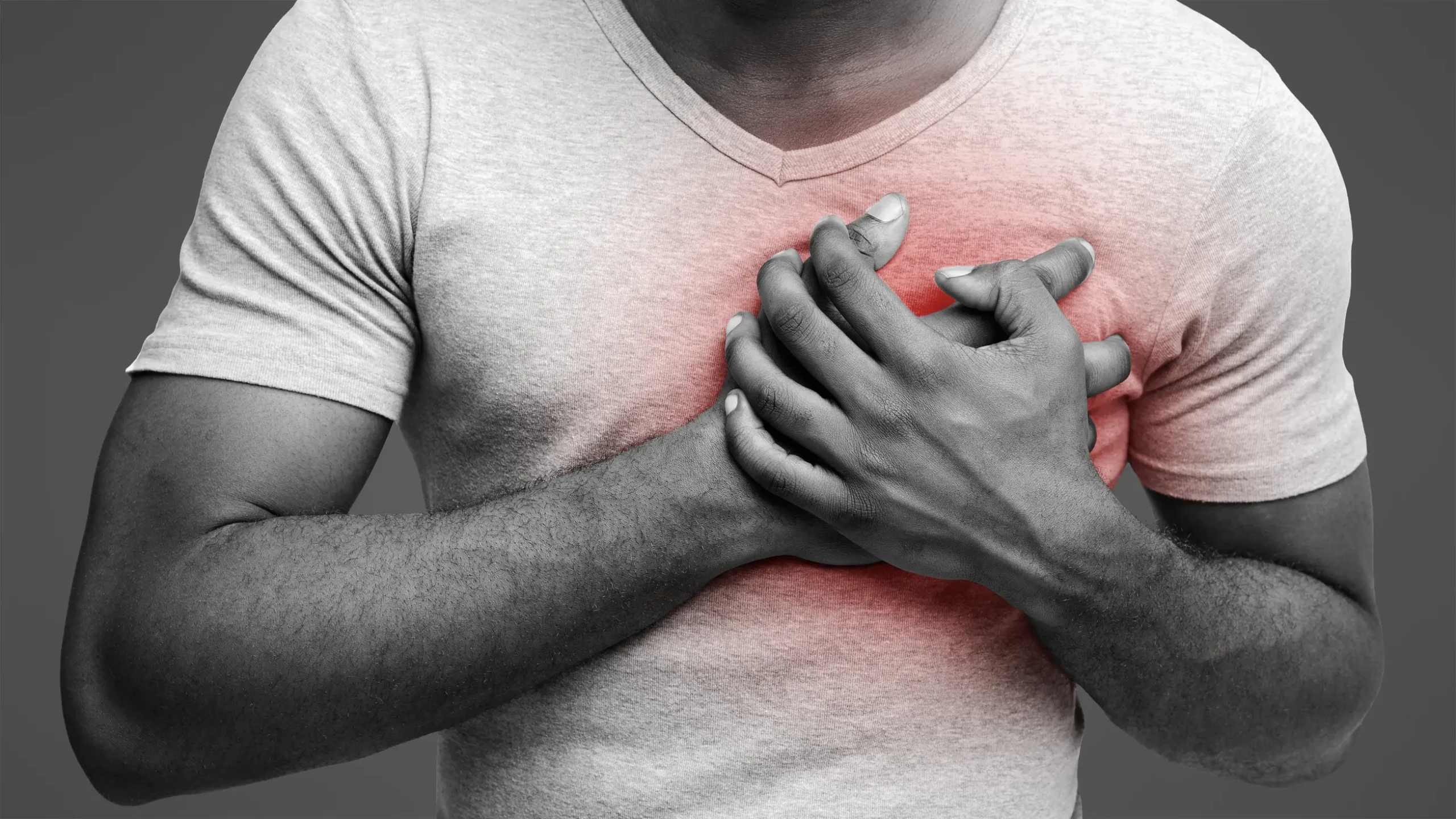
Chest pain is a common symptom that many individuals experience at some point in their lives. While most people associate chest pain with heart-related issues, the causes can vary significantly, especially for women. It’s crucial to understand the range of potential causes to help differentiate between benign conditions and those that may require immediate medical attention. In this blog, we’ll explore the various causes of chest pain in women, discuss risk factors, highlight when to seek medical help, and cover treatment options.
Understanding Chest Pain in Women
What Is Chest Pain?
Chest pain refers to any discomfort or pain that occurs in the area between your neck and upper abdomen. It can range from mild discomfort to sharp, stabbing pains, or even a sensation of heaviness or tightness. The pain may occur suddenly, or it may build over time.
For women, chest pain can be a warning sign of something serious, such as a heart attack, or it may be linked to other conditions like stress, digestive issues, or musculoskeletal problems. It is essential to evaluate the nature of the pain and accompanying symptoms to determine the cause.
Common Causes of Chest Pain in Women
1. Cardiovascular Issues
Cardiovascular problems are among the leading causes of chest pain in both men and women, though women are more likely to experience atypical symptoms. Understanding these conditions is vital for early detection and treatment.
A. Angina (Chest Pain from Heart Disease)
Angina occurs when the heart doesn’t get enough oxygen-rich blood due to narrowing or blockages in the coronary arteries. In women, angina might feel different from the typical “crushing” chest pain experienced by men.
- Symptoms: Pressure, tightness, or squeezing in the chest, radiating pain to the arms, neck, jaw, or back.
- Risk Factors: Family history of heart disease, smoking, high blood pressure, high cholesterol, obesity, and lack of physical activity.
- When to Seek Medical Help: If chest pain occurs with shortness of breath, sweating, or dizziness.
B. Myocardial Infarction (Heart Attack)
A heart attack occurs when one of the heart’s arteries becomes completely blocked, preventing blood flow to the heart muscle.
- Symptoms: Crushing chest pain, shortness of breath, nausea, pain radiating to the left arm or jaw, dizziness, and fatigue. Women may experience more subtle symptoms like indigestion, upper back pain, or nausea.
- Risk Factors: High blood pressure, high cholesterol, smoking, diabetes, and family history of heart disease.
C. Pericarditis (Inflammation of the Heart Lining)
Pericarditis occurs when the lining around the heart becomes inflamed, often due to viral infections or autoimmune diseases. This can cause sharp, stabbing chest pain.
- Symptoms: Sharp, pleuritic pain (worsens with deep breathing), fever, and difficulty swallowing.
- Risk Factors: Recent viral infections, autoimmune diseases, or chest trauma.
2. Gastrointestinal Causes
Digestive issues can also contribute to chest pain in women. The gastrointestinal system is highly sensitive, and pain from acid reflux, gas, or other digestive problems can mimic heart-related pain.
A. Gastroesophageal Reflux Disease (GERD)
GERD occurs when stomach acid or bile irritates the food pipe. This often causes a burning sensation in the chest (heartburn).
- Symptoms: Burning sensation in the chest, regurgitation of acid, difficulty swallowing, and sore throat.
- Risk Factors: Obesity, smoking, alcohol consumption, pregnancy, and certain medications.
- When to Seek Medical Help: If chest pain is accompanied by difficulty swallowing, weight loss, or vomiting blood.
B. Esophageal Spasms
Esophageal spasms occur when the muscles of the esophagus contract abnormally, causing pain that can resemble a heart attack.
- Symptoms: Sudden, severe chest pain, difficulty swallowing, and regurgitation.
- Risk Factors: Stress, smoking, and acid reflux disease.
C. Hiatal Hernia
A hiatal hernia happens when part of the stomach pushes up through the diaphragm into the chest cavity, leading to discomfort and pain.
- Symptoms: Chest pain, heartburn, regurgitation, and difficulty swallowing.
- Risk Factors: Obesity, age, and pregnancy.
3. Musculoskeletal and Costochondral Issues
Chest pain that is musculoskeletal in nature is often associated with injuries or inflammation in the muscles, ribs, or cartilage of the chest.
A. Costochondritis
Costochondritis is an inflammation of the cartilage connecting the ribs to the breastbone, leading to localized chest pain.
- Symptoms: Sharp, stabbing pain in the chest, typically on the left side, which worsens with movement or deep breathing.
- Risk Factors: Trauma or repetitive physical activity, viral infections.
B. Muscle Strain
Overexertion or an injury to the chest muscles can cause pain that mimics heart-related chest pain.
- Symptoms: Pain that is localized to a specific area of the chest and worsens with movement or palpation.
- Risk Factors: Heavy lifting, intense physical activity, or improper posture.
4. Psychological and Stress-Related Causes
Psychological stress and anxiety can manifest as physical symptoms, including chest pain. This is particularly common in women, who may experience emotional stress that translates into physical discomfort.
A. Panic Attacks
Panic attacks are intense episodes of fear or anxiety that can result in chest pain, shortness of breath, dizziness, and a racing heart.
- Symptoms: Sudden chest pain, rapid heart rate, sweating, trembling, shortness of breath, and a feeling of impending doom.
- Risk Factors: High levels of stress, anxiety disorders, and a history of panic attacks.
- When to Seek Medical Help: If the symptoms are frequent or severe, or if chest pain persists despite reassurance.
5. Pulmonary Conditions
Pulmonary conditions that affect the lungs or pleura (the lining of the lungs) can lead to chest pain.
A. Pulmonary Embolism
A pulmonary embolism occurs when a blood clot travels to the lungs, blocking a pulmonary artery.
- Symptoms: Sudden sharp chest pain, difficulty breathing, rapid heart rate, cough with blood.
- Risk Factors: Blood clotting disorders, prolonged immobility, recent surgery, or pregnancy.
B. Pneumothorax (Collapsed Lung)
A pneumothorax occurs when air leaks into the space between the lung and chest wall, leading to sharp chest pain and difficulty breathing.
- Symptoms: Sudden sharp chest pain, difficulty breathing, rapid heart rate.
- Risk Factors: Previous lung disease, trauma to the chest, or smoking.
How to Differentiate Between Serious and Benign Chest Pain
While many causes of chest pain are benign, some can be life-threatening. Understanding the key characteristics can help you differentiate between them.
| Cause | Pain Description | Associated Symptoms | When to Seek Medical Help |
| Heart Attack | Crushing or tight pain in chest | Shortness of breath, nausea, arm or jaw pain | Immediately; Call emergency services |
| Angina | Pressure or tightness in chest | Sweating, dizziness, pain radiating to arms | If pain lasts more than 5 minutes |
| GERD | Burning sensation in chest | Regurgitation, sore throat, difficulty swallowing | If pain is frequent or severe |
| Muscle Strain | Localized sharp pain in chest | Worsens with movement or palpation | If pain persists or worsens |
| Panic Attack | Tight or stabbing pain in chest | Shortness of breath, dizziness, racing heart | If recurrent or debilitating |
When to See a Doctor
If you experience chest pain that is severe, sudden, or persistent, it is essential to seek medical attention immediately. Especially if the pain is accompanied by:
- Difficulty breathing
- Lightheadedness or dizziness
- Pain radiating to the left arm, neck, or jaw
- Nausea, vomiting, or cold sweats
Even if the pain seems mild, it is better to err on the side of caution. Early detection of conditions such as heart disease, lung disorders, or gastrointestinal issues can significantly improve treatment outcomes.
Conclusion: Stay Informed and Take Action
Chest pain in women can have a variety of causes, from cardiovascular issues to gastrointestinal problems or stress-related conditions. Understanding the symptoms, risk factors, and when to seek help is crucial in managing chest pain effectively. If you are experiencing chest pain, don’t hesitate to consult with a healthcare professional to determine the underlying cause and receive appropriate care.
At Kolekar Hospital, we are committed to providing personalized care and guidance for all your health concerns. If you’re experiencing chest pain or any other symptoms, our expert team is here to help. Book an appointment today for a thorough evaluation and peace of mind.