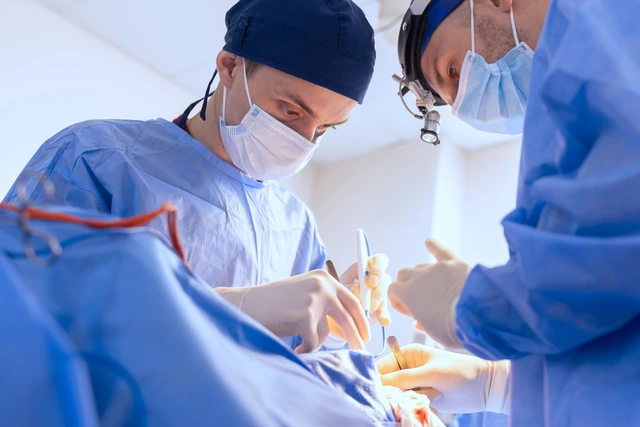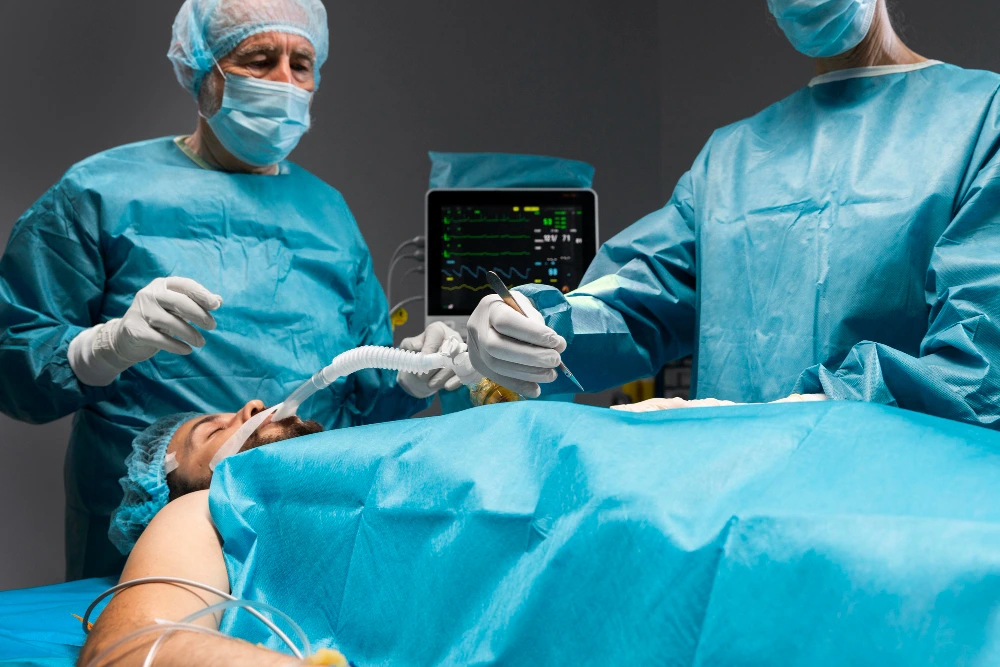
Laparoscopic surgery has transformed the way doctors perform many surgical procedures. With its minimally invasive approach, advanced technology, and faster recovery rates, this technique has become the preferred option for many conditions. At Kolekar Hospital, laparoscopic surgery is performed using high-precision equipment by experienced surgeons to ensure the best outcomes for patients.
This detailed guide explains the benefits of laparoscopic surgery, how it works, when it is recommended, and why it is considered safer and more comfortable compared to traditional open surgery.
What Is Laparoscopic Surgery?
Laparoscopic surgery, also known as minimally invasive surgery, is a technique where surgeons operate through very small incisions instead of large cuts. A device called a laparoscope, a thin tube with a high-resolution camera and light, is inserted into the abdomen through one of these incisions. The camera sends real-time images to a monitor, allowing the surgeon to operate with exceptional precision.
Common procedures performed using laparoscopy:
- Gallbladder removal (Laparoscopic Cholecystectomy)
- Appendix removal (Laparoscopic Appendectomy)
- Hernia repair
- Treatment of fibroids
- Ovarian cyst removal
- Weight-loss (bariatric) procedures
- Diagnostic laparoscopy
- Laparoscopic hysterectomy
- Colorectal surgeries
The smaller incisions, reduced pain, and quicker recovery time make it one of the safest and most effective surgical approaches today.
Top Benefits of Laparoscopic Surgery
The benefits of laparoscopic surgery extend beyond just smaller scars. It offers significant medical, cosmetic, and recovery-related advantages. Below are the most important benefits explained in detail.
1. Smaller Incisions and Minimal Scarring
One of the most notable benefits of laparoscopic surgery is that it requires only 3–4 tiny incisions, each less than 1 cm in size. This is a major improvement compared to open surgery, which often needs a 10–15 cm incision.
Advantages for patients:
- Minimal visible scarring
- Lower risk of infection
- Reduced bleeding
- Shorter hospital stay
- Better cosmetic results
Patients recover faster and experience less discomfort since the muscles and tissues are not extensively cut.
2. Less Pain After Surgery
Postoperative pain is significantly lower in laparoscopic surgery. The smaller incisions reduce tissue damage, leading to a more comfortable recovery.
Patients benefit from:
- Less dependence on pain medications
- Early mobility
- Better overall post-surgery experience
This is especially helpful for elderly patients and those with medical conditions who may not tolerate strong painkillers.
3. Faster Recovery Time
One of the biggest benefits of laparoscopic surgery is its quick recovery period. Many patients return to daily activities within a few days.
Why recovery is quicker:
- Minimal trauma to muscles and tissues
- Lower risk of wound complications
- Reduced postoperative pain
- Shorter hospitalisation
This helps patients resume work and normal life much sooner than with open surgery.
4. Lower Risk of Complications
Laparoscopic surgery significantly lowers the risk of common surgical complications.
Complications reduced include:
- Wound infections
- Hernia formation
- Excessive bleeding
- Postoperative adhesions
- Respiratory issues
Since the procedure is performed through small openings and guided by a magnified view on the screen, surgeons can operate more precisely and safely.
5. Less Blood Loss During Surgery
Small incisions and improved surgical visibility reduce blood loss. This is especially beneficial for:
- Patients with anaemia
- Older adults
- Individuals with clotting disorders
Lower blood loss reduces the chances of needing a transfusion and helps patients heal faster.
6. Better Surgical Precision
The laparoscope provides a magnified, high-definition view of internal organs. This helps surgeons identify even the smallest structures clearly.
This results in:
- High accuracy in surgical movements
- Lower chances of injury to surrounding organs
- Better outcomes for complex procedures
This improved clarity and precision often lead to more successful surgeries with fewer complications.
7. Shorter Hospital Stays
Most laparoscopic procedures require only 24–48 hours of hospitalisation. In some cases, patients can go home the same day.
Benefits of shorter hospital stays:
- Lower risk of hospital-acquired infections
- Reduced cost of treatment
- Faster return to home comfort
This makes laparoscopic surgery a convenient option for working professionals and caregivers.
8. Early Return to Normal Activities
With minimal pain and faster healing, patients can return to a normal routine much sooner. Light activities can be resumed within 3–5 days, while complete recovery usually takes 1–2 weeks.
Patients can resume:
- Office work
- Light household chores
- Walking and mild exercises
For comparison, open surgery may require 4–6 weeks of rest.
Comparison: Laparoscopic Surgery vs. Open Surgery
A quick comparison helps highlight the benefits of laparoscopic surgery more clearly.
| Feature | Laparoscopic Surgery | Open Surgery |
| Incision size | 0.5–1 cm | 10–15 cm |
| Pain level | Mild | Moderate to severe |
| Recovery time | 1–2 weeks | 4–6 weeks |
| Hospital stay | 1–2 days | 3–7 days |
| Scarring | Minimal | Visible large scar |
| Risk of infection | Low | Higher |
| Blood loss | Minimal | More compared to laparoscopy |
This table shows why laparoscopic surgery is preferred for most abdominal and pelvic procedures today.
When Is Laparoscopic Surgery Recommended?
Doctors may suggest laparoscopic surgery for many conditions affecting the abdomen or pelvis. It is recommended when the goal is to treat the condition with minimal tissue damage and faster recovery.
Common conditions treated:
- Gallstones
- Appendicitis
- Hernias
- Endometriosis
- Ovarian cysts
- Uterine fibroids
- Acid reflux (GERD)
- Colon diseases
- Obesity (for bariatric surgery)
However, the suitability of laparoscopy depends on each patient’s health, medical history, and diagnosis.
Is Laparoscopic Surgery Safe?
Yes. When performed by trained surgeons in a well-equipped hospital like Kolekar Hospital, laparoscopic surgery is extremely safe. It has been proven through years of successful outcomes, lower complication rates, and improved patient satisfaction.
Safety advantages include:
- Continuous visual monitoring
- Reduced exposure of internal organs
- Minimal trauma
- Faster healing
- Reduced risk of postoperative infections
Preparing for Laparoscopic Surgery
Although the procedure is minimally invasive, proper preparation ensures a smooth surgery and quicker recovery.
Steps before the surgery:
- Detailed medical evaluation
- Blood tests and imaging
- Fasting for 6–8 hours before surgery
- Avoiding certain medications
- Discussing allergies or past surgeries
Your doctor will guide you through each step to ensure your safety and comfort.
What to Expect After Laparoscopic Surgery
Recovery after laparoscopy is usually smooth and quick. Most patients walk within hours after surgery.
Common postoperative experiences:
- Mild abdominal discomfort (lasting 1–2 days)
- Shoulder pain due to gas used during surgery
- Slight bloating
- Tiredness for 24–48 hours
Post-surgery care tips:
- Follow prescribed medications
- Eat a balanced diet
- Avoid lifting heavy weights for at least 2 weeks
- Keep the incision area clean and dry
- Attend follow-up appointments
Why Choose Kolekar Hospital for Laparoscopic Surgery?
Kolekar Hospital is known for its advanced laparoscopic surgical care led by highly experienced surgeons and supported by modern equipment. The hospital ensures patient safety, precision, and comfort throughout the surgical journey.
Key advantages:
- Skilled and experienced laparoscopic surgeons
- Advanced operation theatres
- High-definition laparoscopic systems
- 24/7 emergency support
- Patient-centred care
- Faster recovery protocols
With a focus on minimally invasive care, Kolekar Hospital aims to provide the safest and most effective laparoscopic treatments for all patients.
Conclusion
The benefits of laparoscopic surgery make it one of the most preferred and trusted surgical techniques worldwide. From smaller incisions and reduced pain to faster recovery and lower complication risks, it provides unmatched advantages for patients. With advanced technology and expert surgeons at Kolekar Hospital, patients receive world-class minimally invasive surgical care tailored to their needs.
If you are considering surgery or have been advised to undergo a procedure, discuss with your doctor whether laparoscopic surgery is the right choice for you.