Kidney

What is the First Sign of Kidney Problems? Early Warning Signs You Shouldn’t Ignore

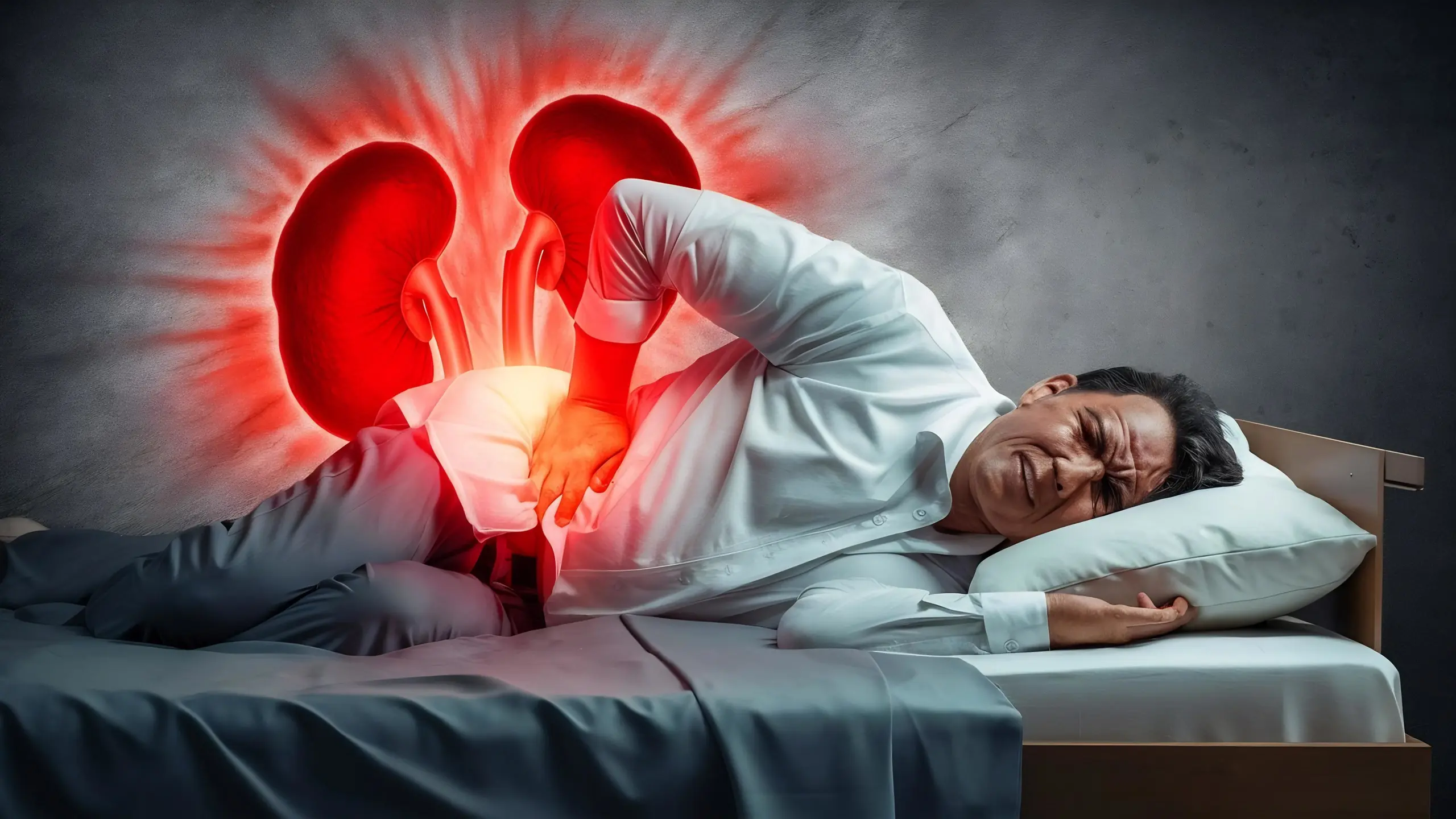
Your kidneys silently work 24/7 to keep your body balanced and healthy. They filter waste, regulate blood pressure, manage fluid levels, and support bone and blood health. When kidney function begins to deteriorate, the early signs can be easy to miss. Understanding what is the first sign of kidney problems can be life-saving.

In this detailed article from Kolekar Hospital, we explore what is the first sign of kidney problems, why it happens, what other early symptoms to look for, and how to protect your kidneys through early diagnosis and prevention.

Understanding the Role of Kidneys

Before diving into what is the first sign of kidney problems, it’s important to understand what kidneys do for the body:

  • Filter waste and toxins from the blood
  • Balance electrolytes like sodium and potassium
  • Regulate blood pressure
  • Control fluid levels
  • Support red blood cell production
  • Maintain bone health

Because kidneys are so vital, even mild dysfunction can lead to serious health issues. That’s why recognizing what is the first sign of kidney problems is critical.

What is the First Sign of Kidney Problems?

Swelling (Edema) is Often the First Noticeable Symptom

When discussing what is the first sign of kidney problems, the most common and visible symptom is persistent swelling, especially in the feet, ankles, face, or hands. This occurs due to the kidneys’ reduced ability to eliminate excess sodium and fluid from the body, leading to fluid retention in tissues.

Why Does Swelling Happen?

  • Damaged kidneys can’t maintain proper sodium-water balance
  • Protein leaks into the urine, reducing blood protein levels
  • Fluid shifts from blood vessels into tissues, causing puffiness

Common Areas Where Swelling Occurs:

  • Under the eyes (especially in the morning)
  • Feet and ankles (worsens during the day)
  • Hands and fingers

Recognizing what is the first sign of kidney problems like swelling can help initiate early tests and treatment, preventing long-term damage.

Other Early Symptoms of Kidney Problems

While swelling is often what is the first sign of kidney problems, several other symptoms may appear early on. Being aware of them improves early diagnosis.

SymptomWhat It Means
Changes in urinationFrequent urination at night, foamy or dark urine, or blood in urine
Fatigue and weaknessToxin buildup and reduced red blood cell count lead to low energy levels
Loss of appetiteWaste accumulation affects digestion and metabolism
Dry and itchy skinPoor kidney function can affect mineral balance, leading to itchy, flaky skin
Nausea and vomitingToxin overload can irritate the stomach
Shortness of breathFluid buildup in lungs or anemia due to reduced kidney hormone production
Trouble concentratingToxins in the bloodstream can impair mental clarity
Metallic taste in mouthWaste buildup can cause a persistent foul or metallic taste

Even if swelling is what is the first sign of kidney problems, other symptoms can follow quickly if left untreated.

Causes of Kidney Problems

To understand what is the first sign of kidney problems, it’s essential to know what causes kidney function to deteriorate in the first place.

1. Diabetes Mellitus

  • High blood sugar damages kidney blood vessels over time
  • Leading cause of chronic kidney disease (CKD)

2. High Blood Pressure

  • Damages the delicate filtering structures inside kidneys

3. Recurrent UTIs

  • Can lead to infection and scarring of kidney tissues

4. Glomerulonephritis

  • Inflammation of kidney filters that can cause protein and blood leakage

5. Polycystic Kidney Disease

  • A genetic disorder that leads to cysts forming in the kidneys

6. Overuse of Certain Medications

  • NSAIDs, antibiotics, and contrast dyes can be nephrotoxic

Avoiding these causes—or managing them proactively—is key once you know what is the first sign of kidney problems to watch for.

How Are Kidney Problems Diagnosed?

If you’re experiencing swelling or other symptoms, here’s how doctors at Kolekar Hospital determine if your kidneys are involved.

1. Blood Tests

  • Creatinine and BUN levels rise when kidneys aren’t functioning well
  • eGFR (Estimated Glomerular Filtration Rate) measures overall kidney function

2. Urine Tests

  • Urinalysis can detect protein, blood, and infections
  • Albumin-to-Creatinine Ratio (ACR) identifies early signs of damage

3. Imaging Tests

  • Ultrasound or CT scan to assess kidney size, shape, and possible blockages

4. Kidney Biopsy

  • A small tissue sample may be taken for detailed lab analysis

If you’ve been wondering what is the first sign of kidney problems, testing these markers provides accurate answers.

When to See a Doctor

Recognizing what is the first sign of kidney problems is only helpful if followed by timely medical evaluation. You should visit a nephrologist if you notice:

  • Swelling around eyes, feet, or hands
  • Unusual changes in urination pattern
  • Feeling unusually tired or breathless
  • Loss of appetite or nausea
  • Skin dryness or itchiness
  • High blood pressure that is hard to control

Prompt consultation ensures early-stage kidney disease can be managed effectively.

Preventing Kidney Problems: What You Can Do

Knowing what is the first sign of kidney problems gives you a head start. Here are preventive steps to protect your kidney health:

Healthy Diet

  • Reduce salt and processed food
  • Eat a balanced diet with fruits and vegetables
  • Limit red meat and high-protein diets if at risk

Hydration

  • Drink plenty of water daily unless advised otherwise
  • Avoid sugary drinks and alcohol

Lifestyle Habits

  • Maintain a healthy weight
  • Quit smoking
  • Exercise regularly (at least 30 mins/day)

Regular Health Checks

  • Monitor blood sugar and blood pressure
  • Get annual urine and blood tests for kidney function
  • Avoid self-medicating with over-the-counter painkillers

By taking these steps after noticing what is the first sign of kidney problems, you can slow or stop the progression of kidney disease.

Why Choose Kolekar Hospital for Kidney Care?

At Kolekar Hospital, we specialize in early detection and expert treatment of kidney conditions. Once you recognize what is the first sign of kidney problems, choosing the right care partner is essential.

Advanced Diagnostic Facilities

From blood tests to kidney ultrasounds, we provide comprehensive testing in one location.

Experienced Nephrologists

Our kidney specialists have successfully treated hundreds of patients with early-stage and advanced kidney diseases.

Holistic Kidney Care

We offer dietary counseling, lifestyle management, and tailored treatment plans based on your kidney function level.

Patient-Centered Approach

We prioritize your comfort, questions, and long-term health goals.

Conclusion

If you’ve been asking, “What is the first sign of kidney problems?”, the answer is persistent swelling, especially around the ankles, feet, and eyes. However, that’s just one of many subtle symptoms that could signal trouble ahead.

The kidneys rarely show symptoms until significant damage occurs. That’s why knowing what is the first sign of kidney problems and acting quickly can make all the difference. Whether you’re already seeing signs or are at risk, Kolekar Hospital is here to guide you toward better kidney health.

Loading

Cardiology

7 Second Trick to Prevent Heart Attack: Myth or Medical Miracle?

Heart disease is the leading cause of death worldwide, claiming millions of lives every year. In India alone, more than 28% of all deaths are due to cardiovascular diseases. As people become more health-conscious, there is growing interest in simple, practical methods to protect the heart including the viral 7 second trick to prevent heart attack. But is there any truth behind it?

In this blog, we’ll explore the scientific facts, medical advice, and real prevention strategies related to this trending heart health tip. Let’s understand if this “7-second trick” is more than just a social media trend and what Kolekar Hospital recommends to truly prevent heart attacks.

Understanding the early heart attack symptoms can be life-saving. While viral tricks like the “7-second cough method” gain attention, it’s crucial to recognise the real warning signs your body gives before a cardiac event. Knowing the symptoms and causes can help you take timely action and possibly prevent severe outcomes.

What is the 7 Second Trick to Prevent Heart Attack?

The “7 second trick to prevent heart attack” refers to a simple, quick breathing or movement-based technique believed to stimulate heart rate, circulation, and calm the nervous system. It often involves:

  • Deep breathing (inhale for 4 seconds, exhale for 3)
  • Coughing technique (used in CPR-like situations)
  • Muscle tensing or clenching technique to stimulate blood flow
  • Grounding method to reduce stress and lower blood pressure

These methods claim to give your heart a “reset” in under 10 seconds, especially during stressful moments or early signs of a heart event.

But do these tricks work as prevention, or are they just emergency hacks?

The Truth Behind the 7 Second Heart Trick

While the 7 second trick to prevent heart attack sounds impressive, there is no clinical evidence that one single trick can prevent a heart attack. However, some techniques may help reduce stress, regulate heart rhythm, or buy time during an emergency.

1. Cough CPR (Cardiopulmonary Resuscitation)

This is a technique shared widely online where the patient is advised to:

  • Take a deep breath
  • Cough forcefully every 2 seconds

Claim: It may keep blood flowing to the brain for a few seconds if the person feels a sudden irregular heartbeat.

Reality: Cough CPR is only useful in certain hospital-monitored settings. It is not recommended for use by untrained individuals at home.

2. Deep Breathing Techniques

  • Inhale deeply for 4 seconds
  • Hold briefly
  • Exhale slowly for 3 seconds

This 7-second breathing cycle is known to activate the parasympathetic nervous system, reducing blood pressure and stress.

Conclusion: While not a “heart attack cure,” it can help prevent cardiac risk over time when used regularly for stress management.

Real Heart Attack Prevention Methods: Beyond the 7 Second Trick

Rather than relying solely on one trick, true heart attack prevention comes from consistent heart-healthy habits. Here’s what Kolekar Hospital’s cardiology team recommends:

1. Know the Warning Signs

Early Symptoms of Heart AttackAction to Take
Chest pressure or tightnessCall emergency services immediately
Pain in jaw, neck, or left armDon’t ignore even if it’s mild
Sudden breathlessnessSit down, stay calm, seek help
Cold sweat, dizziness, nauseaMay be signs of blocked artery
Fatigue or lightheadednessEspecially common in women

Tip: Time is critical. Recognize signs early, don’t delay treatment.

2. Practice Daily 7-Second Breathing Sessions

While a single 7-second trick won’t replace lifelong prevention, regular breathing exercises (5-10 mins/day) can help reduce:

  • Blood pressure
  • Heart rate
  • Cortisol (stress hormone)

Try this once a day:

Inhale for 4 seconds → Hold for 1 second → Exhale for 3 seconds
Repeat this 10 times.

This exercise improves oxygen flow and reduces mental stress, which are both linked to long-term heart health.

3. Get Regular Health Screenings

Preventive check-ups can save lives. Kolekar Hospital recommends:

ScreeningHow Often
ECG / TMTAnnually after age 40
Blood Pressure MonitoringEvery 6 months
Lipid Profile (Cholesterol)Annually
Blood Sugar (Fasting & PP)Every 6–12 months
BMI / Obesity IndexEvery visit

Bonus Tip: Ask for a CT Coronary Angiogram if you have a family history of heart disease.

4. Adopt a Heart-Healthy Diet

You can prevent more than 80% of heart attacks with diet and lifestyle changes.

Include:

  • Leafy greens, berries, oats, walnuts
  • Omega-3-rich fish (like salmon)
  • Garlic and turmeric (natural anti-inflammatories)

Avoid:

  • Processed meats
  • Excess salt and sugar
  • Fried and packaged foods

Pro Tip: Follow the DASH Diet (Dietary Approaches to Stop Hypertension), approved by cardiologists.

5. Move Your Body Daily

A sedentary lifestyle is one of the top heart attack triggers.

ActivityMinimum Recommended Time
Brisk walking30 mins/day
Yoga or stretching15 mins/day
Strength training2 times/week
Climbing stairs5-10 mins/day

Even short bursts of movement, say, a 7-second stair sprint, can keep your heart stimulated and circulation flowing.

Emergency: What to Do During a Suspected Heart Attack

If you suspect you or someone near you is having a heart attack:

DO:

  • Chew 1 full aspirin (325 mg) immediately
  • Sit down, stay calm, and breathe deeply
  • Call emergency services (ambulance) without delay
  • Loosen tight clothing
  • Inform someone nearby

DON’T:

  • Attempt to drive yourself to the hospital
  • Ignore mild pain or assume it’s gas
  • Wait to “see if it gets better”
  • Follow unverified social media tricks
7 Second Trick to Prevent Heart Attack

What Makes Kolekar Hospital a Trusted Heart Care Destination?

At Kolekar Hospital, we believe in evidence-based cardiology, not just trends. Here’s why hundreds trust us for heart health:

Advanced diagnostic facilities (ECG, 2D Echo, TMT)
Expert cardiologists & heart surgeons
24×7 emergency support
Personalised heart health counselling
Holistic care with dieticians, physiotherapists, and lifestyle experts

Key Takeaways: 7 Second Trick to Prevent Heart Attack

Let’s summarise the truth about this popular concept:

What Works:

  • 7-second breathing for stress and blood pressure control
  • Regular micro-movements (short walks, stretches)
  • Daily mindfulness or grounding exercises

What Doesn’t:

  • No one-size-fits-all “trick” to fully prevent a heart attack
  • Social media CPR techniques without supervision

Final Thoughts: Prevention is a Lifestyle, Not a Shortcut

While the 7 second trick to prevent heart attack might offer short-term stress relief, long-term heart attack prevention comes from consistent, daily habits backed by medical science.

If you’re serious about protecting your heart, schedule a full heart health check-up today at Kolekar Hospital. Our team is here to help you live stronger, longer, and healthier.

Loading

Urology

Should I See a Urologist or Nephrologist for Kidney Stones?

Kidney stones are a common yet painful health problem that can affect people of any age. Whether it’s a dull ache in the back, sudden intense pain, or blood in the urine, kidney stones often demand immediate attention. But one of the most frequently asked questions is: Should I see a urologist or nephrologist for kidney stones?

Knowing which specialist to approach can make all the difference in diagnosis, treatment, and recovery. In this blog, we’ll explore the difference between a urologist and a nephrologist, what roles they play in kidney stone management, and how to decide whom to consult based on your condition.

What Are Kidney Stones?

Kidney stones are hard deposits of minerals and salts that form in the kidneys. They can vary in size from as small as a grain of sand to as large as a golf ball—and can be extremely painful when moving through the urinary tract.

Common causes of kidney stones include:

  • Dehydration
  • High intake of oxalate rich foods
  • Excess salt or animal protein
  • Family history
  • Certain medications or health conditions

Symptoms of Kidney Stones

Symptoms may vary depending on the size and location of the stone, but commonly include:

  • Sharp pain in the back or side
  • Pain during urination
  • Pink, red, or brown urine
  • Frequent urge to urinate
  • Nausea or vomiting
  • Fever or chills (if there’s an infection)

If you experience any of these, you’ll need to decide: Should I see a urologist or nephrologist for kidney stones? Let’s explore their roles.

Who Is a Urologist?

A urologist is a surgeon who specializes in diagnosing and treating diseases of the urinary tract in both men and women, and the male reproductive system. Urologists are typically involved when surgical intervention or procedures are required.

What a Urologist Does for Kidney Stones:

  • Conducts imaging tests (e.g., ultrasound, CT scans)
  • Removes large stones through procedures like:
    • Ureteroscopy
    • Percutaneous nephrolithotomy
    • Shock Wave Lithotripsy (SWL)
  • Manages blockages or anatomical issues in the urinary tract
  • Provides long-term treatment to prevent recurrence
  • Handles emergencies like acute pain or infection

If you need surgical or procedural treatment, a urologist in Mumbai is your go-to specialist.

Who Is a Nephrologist?

A nephrologist is a physician who specialises in internal medicine with a focus on kidney function and diseases. Unlike urologists, they don’t perform surgeries, but they provide comprehensive care for chronic kidney conditions.

What a Nephrologist Does for Kidney Stones:

  • Identifies metabolic or dietary causes of stone formation
  • Helps manage recurrent stones or kidney damage
  • Treats underlying conditions like:
    • Chronic kidney disease (CKD)
    • Diabetes
    • High blood pressure
  • Offers preventive care and long-term dietary guidance

If you have a history of frequent kidney stones or kidney dysfunction, seeing a nephrologist can help prevent future complications.

Should I See a Urologist or Nephrologist for Kidney Stones?

Urologist vs. Nephrologist: A Quick Comparison

AspectUrologistNephrologist
RoleSurgical and proceduralMedical and diagnostic
TreatsUrinary blockages, large stones, infectionsKidney function, chronic disease, stone cause
Performs Surgery?YesNo
Ideal ForImmediate removal or acute symptomsPrevention and kidney function monitoring
Tools UsedImaging, endoscopy, lithotripsyBlood tests, urine analysis, and dietary plans

When to See a Urologist

  • Severe pain due to kidney stones
  • Blood in the urine
  • Large stones that won’t pass on their own
  • Urinary blockage or infection
  • Recurrent stones needing surgical removal

In these cases, a urologist in Mumbai will diagnose the issue and take immediate action to remove or manage the stones.

When to See a Nephrologist

  • Frequent stone formation
  • History of kidney damage or chronic kidney disease
  • Need for long-term dietary or metabolic evaluation
  • Recurrent urinary tract infections linked to stones

Nephrologists are your best choice for understanding the “why” behind the stones and preventing future ones.

Conclusion

Should I see a urologist or nephrologist for kidney stones? The answer largely depends on your symptoms and treatment needs. If you’re dealing with severe pain, blockage, or require surgery, a urologist is your first stop. But if your focus is on preventing recurrence or managing kidney function, a nephrologist may be more suitable.

Should I see a urologist or nephrologist for kidney stones? Ideally, both specialists work together. A urologist handles the immediate concern, while a nephrologist supports long-term kidney health.

Loading

Kidney

Is dialysis painful? In-depth guide

These eight repeating questions reflect the common anxiety many face when told they need dialysis. The question “Is dialysis painful?” echoes in the minds of patients and families alike. Let’s explore it together, because understanding what dialysis feels like and how discomfort is managed can ease fears, improve quality of life, and empower informed decisions.

What Is Dialysis?

Dialysis is a life-saving medical technique that mimics kidney function by removing waste, excess fluid, and toxins. The two main types include hemodialysis, which uses a machine and filter outside the body, and peritoneal dialysis, which uses the lining of the abdomen. Though essential, dialysis is not always pain-free. Healthcare providers emphasise that while dialysis isn’t typically painful, some discomfort can occur, and it’s important to recognise when and why.

When Pain or Discomfort Can Occur

Though dialysis generally isn’t painful, some parts of the process may cause discomfort:

1. Needle Insertion in Hemodialysis
During hemodialysis, needles are inserted into the access site (AV fistula, graft, or catheter). Most patients compare it to a mild pinch or sting, similar to a blood draw. Experience shows that this discomfort typically lessens over time as the access site matures.

2. Catheter or Fistula Surgery
Access surgery, whether to insert a catheter or create a fistula, is performed under local anaesthesia. Post-surgery discomfort can last a couple of days, manageable with pain relief such as paracetamol.

3. Muscle Cramps and Hypotension
A common side effect during treatment includes muscle cramps and sudden drops in blood pressure. Up to 54% of patients report cramps, and hypotension often leads to nausea or headache. Adjustments in fluid removal and warm saline can alleviate these issues.

4. Drain or Fill Pain in Peritoneal Dialysis
Some peritoneal dialysis patients experience abdominal discomfort during fluid fill or drain cycles, described as burning, pressure, or even sharp pain. This often resolves with technique adjustments, positioning, or switching to slower drain cycles (like tidal peritoneal dialysis). 

5. Access Site Pain During Dialysis
Occasionally, the fistula needle area might feel throbbing or achy during treatment. Generally, this eases quickly, and proper needle placement prevents long-term discomfort. 

6. Chronic Pain
Chronic pain, from back pain, joint aches, neuropathy, or bone pain, affects over 50% of patients on long-term hemodialysis. It may impair mobility, sleep, and mood if not managed proactively.

Is dialysis painful

What Patients Say

Patients’ voices often shed light on reality:

  • It’s not painful, only a little more than a typical blood draw… after that, the process is usually painless.
  • Overfill pain is the worst pain I’ve ever experienced. …I still had that pain! … it is so bad I just lay there crying.”
  • Drain and fill pain is unbearable…

These firsthand accounts highlight contrasts: while many find dialysis manageable, some do experience significant discomfort during specific steps or initial learning curves.

Effective Strategies to Reduce Discomfort

There are proven ways to prevent or ease dialysis-associated pain:

Needle Fear and Skin Sensitivity

  • Use numbing creams (e.g., EMLA) or ice sticks before each session.
  • Choose experienced technicians for access cannulation.

Preventing Muscle Cramps and Hypotension

  • Monitor and limit weight gain between sessions.
  • Adjust the ultrafiltration settings and use warm saline boluses to stabilise blood pressure. 

Managing Peritoneal Dialysis Discomfort

  • Experiment with fill volumes, switching to manual drains or slower tidal cycles. 
  • Ensure regular bowel movements and optimal catheter placement to reduce pressure. 

Chronic Pain Management

  • Use multimodal pain relief: safe analgesics, physical therapy, relaxation, CBT, biofeedback, and music therapy.
  • Participate in comprehensive pain-coping programs integrated into dialysis care. 

Patient Education and Comfort

  • Educate on what to expect and involve them in decisions about their settings.
  • Offer environment-enhancements: music, movies, blankets, or distraction tools.

So, Is Dialysis Painful?

Generally speaking, dialysis isn’t meant to be painful. Most discomfort is minor and preventable. The biggest pain moments tend to be during access creation or initial procedures, and even these are short-lived and treatable. Most intradialytic discomfort can be managed through proactive care and patient participation. 

Of course, individual experiences vary. For some, especially during peritoneal dialysis or with chronic pain, it can be significantly painful, highlighting the need for personalised care plans.

Why It Matters

Understanding whether dialysis is painful is critical because:

  • It helps reduce patient anxiety before treatment.
  • It encourages active communication with healthcare teams.
  • It promotes adherence to treatment by addressing discomfort head-on.
  • It opens pathways for non-drug support and holistic pain relief.

Final Thoughts & Expert Care

If you or someone you love is beginning dialysis, trust that modern medical protocols aim for comfort and dignity. Through proper needle techniques, pain relief options, fluid balance management, and chronic-pain strategies, dialysis can be a manageable journey, not a painful burden.

Key takeaway: So, “Is dialysis painful?” Rarely in the long term, discomfort is usually short-lived and manageable. But informed care, communication, and expert medical teams (like those at Kolekar Hospital’s dialysis unit) make all the difference in experience and quality of life.

Loading

Knee

Calcium Food for Knee Pain: Ultimate Guide

Knee pain, whether from osteoarthritis, injury, or inflammation, can significantly hinder quality of life. While medical interventions are essential, research consistently shows that diet plays a crucial role in managing knee pain and improving joint health.

Key dietary goals include:

  1. Reducing inflammation through anti-inflammatory foods.
  2. Strengthening bones and cartilage, especially via calcium and vitamin D.
  3. Maintaining a healthy weight to reduce joint stress.
  4. Avoiding inflammation-triggering foods that may exacerbate pain.

This guide explores calcium food for knee pain, identifies foods good and bad for knee pain, and offers an actionable anti-inflammatory diet and lifestyle strategy.

Section 1: The Science Behind Diet & Knee Pain

1.1 Inflammation Is at the Core

Knee pain, especially osteoarthritis, is fueled by chronic low-grade inflammation. arthritis.orgwestern-ortho.com. Diets high in sugar, saturated fat, trans fat, and refined carbs promote inflammation, while whole, nutrient-rich foods help control it.

1.2 Calcium and Vitamin D: Strengthening the Framework

Calcium makes up ~60% of bone mass and is vital for strong knees. Vitamin D enhances calcium absorption, especially from dairy and leafy greens, and supports immune balance, reducing inflammation risk

1.3 Omega-3 Fatty Acids: Short-Circuiting Pain Signals

Long-chain omega-3s (EPA and DHA), found in oily fish, are proven to reduce joint pain and improve function in osteoarthritis patients pmc.ncbi.nlm.nih.gov.

Section 2: Calcium Foods That Help Knee Pain

Focusing on calcium food for knee pain isn’t optional; it’s foundational. Here are the best sources:

2.1 Dairy & Fortified Alternatives

  • Low-fat milk, cheese, yoghurt: Packed with calcium (approx. 300 mg per cup of milk), vitamin D, protein, and vitamin B12.
  • Fortified plant milks: Almond, soy, and oat milks offer similar calcium (350–400 mg per cup), and calcium-fortified tofu provides ~430 mg per 4 oz.

2.2 Leafy Greens & Calcium-Rich Veggies

  • Kale, collard greens, broccoli, Brussels sprouts deliver calcium, vitamin K, magnesium, and fibre, all critical for bone density and inflammation control.

2.3 Nuts, Seeds & Legumes

  • Almonds (234 mg Ca/100g), white beans (190 mg Ca per cup), chia/flax seeds, and tofu with calcium boost intake.
  • These are also rich in magnesium, phosphorus, and protein, supporting bone metabolism.

2.4 Fish with Edible Bones

  • Canned salmon and sardines contain soft bones rich in calcium, up to 180 mg in a 3-oz serving. health.harvard.edu+1mayoclinic.org+1.
  • Plus, they supply vitamin D and omega-3s, the joint health trifecta.

2.5 Fruits & Vegetables with Supportive Nutrients

  • Figs (each contains ~32 mg Ca) and oranges provide calcium, vitamin C (collagen growth), and antioxidants.

Section 3: Anti-Inflammatory Power Foods for Knee Pain

Calcium is vital, but you also need foods to fight inflammation and invigorate joint tissues.

3.1 Fatty Fish (Omega-3s + Vitamin D)

  • Salmon, mackerel, sardines, herring, and anchovies deliver EPA/DHA, key to reducing inflammatory cytokines and enhancing pain relief.

3.2 Extra-Virgin Olive Oil

  • EVOO provides oleocanthal, an anti-inflammatory compound that mimics ibuprofen’s effects, arthritis.org.au.

3.3 Fruits & Berries

  • Blueberries, cherries, and strawberries are high in anthocyanins and vitamin C, reducing inflammation and supporting collagen.

3.4 Herbs & Spices

  • Turmeric (curcumin) and ginger have strong anti-inflammatory effects supported by clinical trials.
  • Garlic, oregano, green tea, and matcha also reduce swelling and oxidative stress.

3.5 Nuts & Seeds

  • Walnuts, almonds and flax/chia seeds provide ALA, calcium, magnesium, and phytochemicals—protecting joint tissues.

3.6 Legumes, Bone Broth & Dark Chocolate

  • Beans and lentils supply protein, fibre and anthocyanins—supporting skeletal connective tissues.
  • Bone broth provides collagen, glucosamine, chondroitin, and calcium for joint repair.
  • Dark chocolate (70% cocoa) offers antioxidants; enjoy moderately for inflammation reduction.

Section 4: Foods to Avoid for Knee Pain

Knowing which foods are not good for knee pain is as important as choosing the right ones.

4.1 Added Sugars & Refined Carbohydrates

  • Sodas, sweets, white bread, and pastries spike inflammatory markers and exacerbate pain

4.2 Ultra‑Processed & Fried Foods

  • Fast foods, packaged snacks and fried items contain trans fats, excess salt, sugar, additives, and chemicals that worsen joint health

4.3 Red & Processed Meats

  • High in saturated fat and inflammatory compounds, linked to worse arthritis outcomes

4.4 Excess Salt, MSG & Omega-6 Oils

  • Sodium causes swelling; MSG triggers inflammation. Corn, sunflower oils (omega-6) imbalance, and inflammatory harmony.

4.5 Full‑Fat Dairy Overload & Gluten

  • Saturated fats in full-fat dairy can worsen inflammation; gluten or casein sensitivity may aggravate joints.

4.6 Alcohol

  • Alcohol increases inflammation, can interfere with medications and triggers arthritis flare-ups.

Section 5: Sample 7‑Day Anti‑Inflammatory & Calcium-Rich Meal Plan

A practical diet for knee pain includes tasty, joint-friendly meals. Here’s a 7-day plan:

DayBreakfastLunchSnackDinner
MonA handful of walnutsSpinach/kale salad + canned salmon + avocadoFortified oatmeal with figs, almonds, berries, and chiaStir-fry tofu + broccoli + olive oil + brown rice
TueScrambled eggs with kale & tomatoes + whole-grain toastLentil soup + fortified plant milkOrange + almondsGrilled mackerel + quinoa + Brussels sprouts
WedSmoothie: yogurt, spinach, banana, flaxseedChickpea & quinoa bowl with olive oilApple + peanut butterBone broth-based vegetable soup + whole-grain bread
ThuFortified cereal + fortified milk + dried figsTurkey & avocado wrap + leafy saladBerries + dark chocolate squareBaked sardines + sweet potato mash + green beans
FriAlmond milk chia pudding with figs + honeySalmon salad on whole‑grainCarrots + hummusVeggie stir-fry + tofu + brown rice
SatYoghurt parfait with berries, granola, and flaxSpinach & egg tortilla + side saladYoghurt parfait with berries, granola, flaxGrilled chicken breast + kale + olive oil-dressed quinoa
SunOmelette (spinach, mushroom, pepper) + whole‑grain toastWhite bean & vegetable stewGreen tea + dark chocolateBaked trout + roasted Brussels sprouts + fortified plant milk

Tips:

  • Include daily calcium intake of ~1,000–1,300 mg via dairy, plant milks, greens, fish, and nuts.
  • Add omega-3s (fish or chia/flax).
  • Use turmeric + black pepper, garlic, and ginger in cooking.
  • Use extra-virgin olive oil instead of processed oils.

Section 6: Lifestyle Measures to Boost Knee Health

6.1 Maintain a Healthy Weight

Excess body weight overloads the knee joints. Weight loss reduces pain significantly, especially when combined with anti-inflammatories.

6.2 Exercise Safely

  • Low-impact exercises like walking, swimming, cycling, and tai chi strengthen muscles without stressing joints.
  • Resistance training with proper form builds supportive muscle and preserves cartilage.

6.3 Mind Your Posture & Joint Mechanics

Good posture and gait, plus supportive footwear, help redistribute load and protect knee structures.

6.4 Supplements (With Caution)

  • Vitamin D3: For those low in sun exposure.
  • Omega-3 supplements: Beneficial if fish intake is low; evidence supports pain reduction.
  • Glucosamine and chondroitin: Mixed research; may help some individuals.

6.5 Stress, Sleep & Recovery

Chronic stress and poor sleep elevate inflammatory markers. Manage stress and get 7–9 hours of quality sleep to support healing.

6.6 Heat/Cold Therapy & Support

Use cold packs during inflammation, and heat packs for stiffness, alongside compression or supportive braces as needed.

Section 8: Takeaways & Final Thoughts

  • Include these calcium foods for knee pain: dairy/fortified alternatives, leafy greens, nuts, seeds, legumes, canned fish, figs, and fortified milk.
  • Add anti-inflammatory foods: fatty fish, olive oil, berries, turmeric, ginger, garlic, beans, and bone broth.
  • Avoid these foods: added sugars, refined carbs, ultra‑processed fried foods, red/processed meats, excess salt, MSG, high omega‑6 oils, alcohol, full-fat dairy (in excess), gluten (if sensitive).
  • Combine with healthy habits: weight control, gentle exercise, stress and sleep management, and possibly supplements.

Conclusion

A strategic, nutrient-dense diet for knee pain, optimised for calcium food for knee pain, anti-inflammatory impact, and joint repair, can significantly reduce knee pain, improve mobility, and support long-term joint health.

Loading

Uncategorized

Understanding the Difference Between Angiography and Angioplasty

Cardiovascular diseases remain a leading cause of morbidity and mortality worldwide. Among the diagnostic and therapeutic procedures employed in cardiology, angiography and angioplasty are frequently utilised. While they are interrelated, understanding the difference between angiography and angioplasty is crucial for patients and caregivers alike.

What is Angiography?

Angiography is a diagnostic imaging technique used to visualise the inside of blood vessels and organs, particularly the arteries, veins, and heart chambers. It helps in identifying blockages, abnormalities, or other vascular conditions.

Procedure:

  1. Preparation: The patient is advised to fast for several hours before the procedure.
  2. Catheter Insertion: A thin, flexible tube called a catheter is inserted into a blood vessel, usually in the groin or arm.
  3. Contrast Dye Injection: A contrast dye is injected through the catheter to make the blood vessels visible on X-ray images.
  4. Imaging: X-ray images are taken to assess the blood flow and identify any blockages or abnormalities. verywellhealth.com

Uses:

  • Detecting coronary artery disease.
  • Evaluating blood flow to organs.
  • Identifying aneurysms or vascular malformations.
  • Planning for surgical interventions.

What is Angioplasty?

Angioplasty, also known as percutaneous transluminal angioplasty, is a minimally invasive procedure used to open narrowed or blocked blood vessels, especially coronary arteries. It often follows an angiography if a blockage is detected.

Procedure:

  1. Preparation: Similar to angiography, fasting is required.
  2. Catheter Insertion: A catheter with a deflated balloon at its tip is inserted into the affected artery.
  3. Balloon Inflation: The balloon is inflated at the site of the blockage, compressing the plaque against the artery wall.
  4. Stent Placement: Often, a stent (a small wire mesh tube) is placed to keep the artery open.
  5. Balloon Deflation and Removal: The balloon is deflated and removed, leaving the stent in place. addmoretolives.com+17medicalnewstoday.com+17healthline.com+17verywellhealth.com

Uses:

  • Treating coronary artery disease.
  • Relieving symptoms like chest pain (angina).
  • Reducing heart muscle damage during or after a heart attack.
  • Improving blood flow to the heart, verywellhealth.com

Key Differences Between Angiography and Angioplasty

Understanding the difference between angiography and angioplasty is essential:

AspectAngiographyAngioplasty
PurposeDiagnostic – to visualize blood vesselsTherapeutic – to open narrowed or blocked arteries
Procedure TypeImaging techniqueInterventional procedure
Use of Contrast DyeYesYes
Use of Balloon/StentNoYes
DurationApproximately 30 minutes1 to 2 hours
Hospital StayUsually outpatient or short stayMay require overnight stay
Recovery TimeShort, minimal restrictionsLonger, with activity limitations for a few days
Difference Between Angiography and Angioplasty

Indian Diet Chart After Angioplasty

Post-angioplasty care is vital for recovery and preventing future cardiac events. A heart-healthy diet plays a significant role. Here’s an Indian diet chart after angioplasty to guide patients: sahyadrihospital.com

Early Morning (6:30 AM – 7:00 AM):

  1. Warm water with lemon juice.
  2. A handful of soaked almonds or walnuts.

Breakfast (8:00 AM – 9:00 AM):

  • Oats porridge with skimmed milk.
  • Whole grain toast with low-fat paneer.
  • Fresh fruit like papaya or apple.

Mid-Morning Snack (11:00 AM):

Lunch (1:00 PM – 2:00 PM):

  • Brown rice or whole wheat roti.
  • Mixed vegetable curry with minimal oil.
  • Green salad with olive oil dressing.
  • Low-fat curd. bpincontrol.in

Evening Snack (4:00 PM – 5:00 PM):

  • Green tea or herbal tea.
  • Roasted chana or a handful of nuts.

Dinner (7:00 PM – 8:00 PM):

  • Vegetable soup.
  • Grilled fish or tofu.
  • Steamed vegetables.
  • Whole wheat roti.

Bedtime (9:00 PM – 10:00 PM):

  • A glass of warm skimmed milk.

This Indian diet chart after angioplasty emphasises low-fat, high-fibre foods rich in antioxidants, aiding in heart health and recovery.

Life Expectancy After Angioplasty

A common concern among patients is the life expectancy after angioplasty. While angioplasty improves blood flow and reduces symptoms, long-term outcomes depend on various factors:

  • Lifestyle Changes: Adopting a healthy lifestyle, including regular exercise, a balanced diet, and stress management, can significantly improve longevity.
  • Medication Adherence: Taking prescribed medications to manage cholesterol, blood pressure, and other conditions is crucial.
  • Regular Follow-ups: Routine check-ups help monitor heart health and detect any issues early.
  • Managing Comorbidities: Controlling diabetes, hypertension, and other related conditions is essential.

Studies suggest that with proper care, patients can lead a normal life span post-angioplasty. However, neglecting lifestyle modifications and medical advice can increase the risk of recurrent cardiac events.

Frequently Asked Questions (FAQs)

Q1: Can angiography and angioplasty be performed simultaneously?

Yes, if a blockage is detected during angiography, angioplasty can be performed immediately to restore blood flow.

Q2: Is angioplasty a permanent solution?

Angioplasty addresses current blockages but doesn’t prevent new ones. Lifestyle changes and medication are essential to prevent future issues.

Q3: Are there risks associated with angioplasty?

Like any procedure, angioplasty carries risks such as bleeding, infection, or re-narrowing of the artery. However, it’s generally safe and effective.

Q4: How soon can one resume normal activities post-angioplasty?

Most patients can return to regular activities within a week, but it’s essential to follow the doctor’s advice.

Q5: How often should one undergo angiography?

Angiography is performed based on symptoms and the doctor’s recommendations. Routine check-ups and non-invasive tests often suffice for monitoring.

If you or a loved one is experiencing symptoms of heart disease, don’t delay. Trust Kolekar Hospital for reliable and compassionate Angioplasty Surgery in Chembur.

Loading

Piles

Diet Chart for Piles Patient: Foods for piles

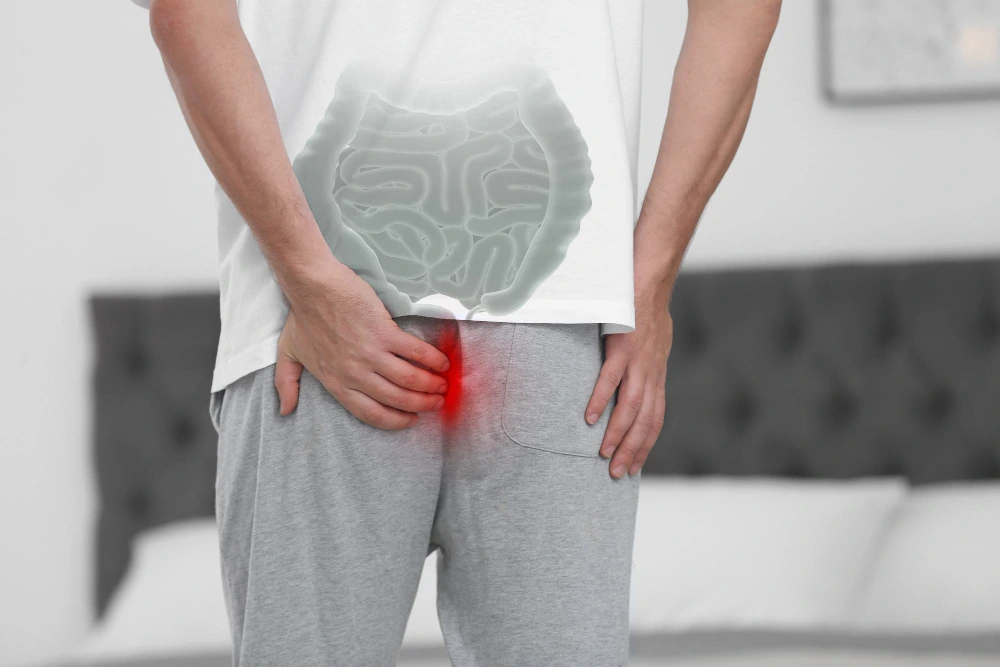
Piles, also known as haemorrhoids, are swollen veins in the lower rectum or anus. One of the most effective ways to manage and prevent piles is through dietary changes. A balanced, fibre-rich diet can reduce constipation, soften stool, and decrease pressure on the anal region.

This article provides a comprehensive diet chart for piles patient, including meal-wise plans, foods to eat, foods to avoid, hydration tips, and FAQs. Whether you’re dealing with bleeding piles, external or internal haemorrhoids, or recovering from piles surgery, this guide will help you make the right food choices

Why Diet Matters for Piles Patients

A poor diet is often a major contributor to the development of piles. Low-fibre foods can lead to hard stools and straining during bowel movements, which worsens piles. By following a proper diet chart for piles patient, you can:

  • Ease bowel movements
  • Reduce bleeding and discomfort
  • Prevent recurrence
  • Support post-surgery healing
  • Improve overall digestive health

Recommended Foods in Diet Chart for Piles Patient

CategoryFoods to IncludeBenefits
High-fibre VegetablesBroccoli, spinach, kale, carrots, beets, pumpkin, sweet potatoSoftens stool, adds bulk
FruitsPapaya, banana, apple (with skin), pears, berries, watermelon, prunesNatural laxative effect, hydration
Whole GrainsOats, brown rice, quinoa, barley, whole wheat breadFibre-rich, keeps digestion smooth
LegumesLentils, kidney beans, black beans, chickpeasHigh in soluble and insoluble fibre
Seeds & NutsFlaxseeds, chia seeds, almonds, walnutsOmega-3 fats, fibre, anti-inflammatory
Healthy FatsOlive oil, ghee (in moderation), avocadoLubricates bowel, anti-inflammatory
ProbioticsCurd, buttermilk, kefir, sauerkrautImproves gut flora, eases digestion
FluidsWater, coconut water, herbal teas (ginger, chamomile), vegetable soupsPrevents dehydration, softens stool

Including these foods regularly as part of a diet chart for piles patient can lead to long-term relief and healing.

Meal-wise Diet Chart for Piles Patient (Sample Daily Plan)

Meal TimeMenu Suggestions
Early Morning1 glass lukewarm water with 1 tsp soaked flaxseeds OR warm lemon water
BreakfastOatmeal topped with banana and chia seeds + herbal tea OR Vegetable upma with coconut chutney + a glass of buttermilk
Mid-MorningA bowl of papaya OR apple with skin + handful of soaked almonds
LunchBrown rice + moong dal + sautéed spinach + cucumber salad + 1 tsp ghee on rice OR Multigrain roti + rajma + beetroot stir fry
Post-Lunch1 glass buttermilk or homemade chaas with roasted jeera
Evening SnackRoasted chana or murmura chaat with chopped tomatoes, onions, coriander OR 1 slice of whole wheat toast with avocado
DinnerQuinoa khichdi with carrots and peas + pumpkin soup OR Whole wheat phulka + mixed vegetable sabzi + curd
Bedtime1 glass warm water with soaked raisins OR a small bowl of stewed prunes

Foods to Avoid in Diet Chart for Piles Patient

Avoid These FoodsReason
Red meat, processed meatHard to digest, low in fibre
Deep-fried foods, spicy curriesCan irritate the bowel lining, increase inflammation
Refined flour (maida), bakery itemsConstipating, low in fibre
Caffeinated drinks (coffee, cola)Dehydrates the body, causes hard stool
Alcohol and smokingWeakens digestion, affects blood circulation
Cheese and full-fat dairyCan lead to constipation
Ready-to-eat meals, fast foodHigh in salt, low in fibre, preservatives upset gut health

Avoiding these items is just as crucial as eating the right foods in a diet chart for piles patient.

Hydration is Key

Water is your best friend when managing piles.

Hydration TipsWhy It Matters
Drink 2.5–3 litres of water dailyPrevents dehydration and hard stools
Start your day with lukewarm waterStimulates bowel movement
Include soups, coconut water, herbal teasAdds to hydration count and provides nutrients
Avoid sugary sodas and packed fruit juicesEmpty calories and low fibre

Hydration plays a crucial role in the success of a diet chart for piles patient, especially in easing constipation.

Diet Tips for Piles Surgery Recovery

If you’ve undergone a piles surgery (like laser or stapler surgery), your diet becomes even more critical for recovery.

PhaseRecommended Diet
First 2 DaysClear liquids like vegetable broth, coconut water, diluted apple juice, and warm water
Next 3–5 DaysGradually include soft foods like khichdi, boiled veggies, mashed banana, and dal water
After 1 WeekShift to the regular diet chart for piles patient, focusing on whole foods, fibre, and probiotics

Always consult your doctor or dietitian before making major changes post-surgery.

FAQs: Diet Chart for Piles Patient

Q1. Can I eat non-veg food if I have piles?

Yes, but in moderation. Prefer lean meats like chicken or fish, and avoid fried or heavily spiced preparations.

Q2. What is the best breakfast in the diet chart for piles patient?

Oatmeal with banana and chia seeds, or poha with veggies and a glass of buttermilk, are great options.

Q3. Should I avoid dairy products?

Avoid full-fat dairy and cheese, but probiotic-rich curd and buttermilk are beneficial for gut health.

Q4. Are bananas good for piles?

Yes, ripe bananas are rich in fibre and help relieve constipation, making them a staple in a diet chart for piles patient.

Q5. Is fasting recommended?

Fasting isn’t ideal if it leads to dehydration or constipation. Always break your fast with light, fibre-rich foods.

Final Thoughts: Diet Chart for Piles Patient

A proper diet chart for piles patient goes beyond temporary relief—it can help eliminate the root cause of discomfort. Focus on:

✅ High fibre
✅ Low spice
✅ Proper hydration
✅ Avoiding trigger foods
✅ Consistent meal timings

Combine this with mild physical activity, such as walking or yoga, and regular checkups to manage piles effectively.

Weekly Rotation Table (for Variety)

DayKey Fibre SourceProtein SourceHydration Boost
MondayBrown rice + pumpkinMoong dalButtermilk + water
TuesdayOats + spinachRajmaCoconut water + lemon tea
WednesdayMultigrain roti + beetsChana dalWarm water + cucumber soup
ThursdayQuinoa + broccoliChickpeasHerbal tea + fruit water
FridayMillet khichdiTofu or paneerButtermilk + mint water
SaturdayWhole wheat pastaLentilsTomato soup + water
SundayVegetable pohaCurdFruit-infused water

Rotate this weekly plan to keep meals exciting and gut-friendly.

Conclusion: Your Diet is the First Step, But Expert Help Matters Too

While following a dedicated diet chart for piles patients can greatly improve their symptoms and overall digestive health, some cases may still require medical or surgical intervention, especially if the piles are advanced, recurrent, or causing severe discomfort.

If you’re in Mumbai and looking for trusted care, Kolekar Hospital offers advanced and compassionate Piles surgery in Chembur. Our team of experienced surgeons ensures safe, effective treatment options tailored to your condition, whether it’s laser surgery, stapler haemorrhoidectomy, or other minimally invasive techniques.

👉 Want to avoid common lifestyle mistakes that worsen piles? Don’t miss this essential read:
7 Common Mistakes That Cause Piles – Kolekar Hospital

Loading

Uncategorized

Pilonidal Sinus Surgery Types: Comprehensive Guide

Introduction

Pilonidal sinus disease is a chronic skin condition that occurs in the crease of the buttocks near the coccyx, or tailbone. It is characterised by the formation of a small tunnel or cavity under the skin, often caused by ingrown hairs or friction. This condition can lead to pain, swelling, and infection. Treatment for pilonidal sinus disease varies depending on the severity and recurrence of the condition. Surgical intervention is often necessary to alleviate symptoms and prevent further complications. In this comprehensive guide, we will explore the different types of pilonidal sinus surgeries, their procedures, benefits, and recovery times.

Types of Pilonidal Sinus Surgery

1. Wide Excision with Open Healing

Procedure:
The surgeon removes the pilonidal sinus along with the surrounding tissue, leaving the wound open to heal naturally.

Benefits:

  • Effective for extensive or recurrent sinusitis.
  • Allows for complete removal of infected tissue.

Drawbacks:

  • Requires daily dressing changes.
  • Longer healing time, typically 6–8 weeks.
  • Higher risk of wound infection.

2. Laser Pilonidoplasty (LPP)

Procedure:
A minimally invasive procedure using a laser to remove the sinus tract and seal the cavity.

Benefits:

  • Shorter recovery time, with patients returning to routine activities within 5 days.
  • Minimal scarring.
  • Low recurrence rate.

Drawbacks:

  • Not suitable for all cases, especially extensive sinuses.
  • Requires specialised equipment and expertise.

3. Endoscopic Pilonidal Sinus Treatment (EPSiT)

Procedure:
Utilises an endoscope to visualise and treat the sinus cavity, removing hair and debris.

Benefits:

  • Minimally invasive with small incisions.
  • Quick recovery time.
  • Reduced risk of recurrence.

Drawbacks:

  • Not suitable for large or complex sinuses.
  • Requires specialised equipment and training.

4. Karydakis Flap Procedure

Procedure:
Involves excising the sinus and reshaping the surrounding tissue to close the wound.

Benefits:

  • Low recurrence rate.
  • Reduces tension on the wound.
  • Faster healing compared to wide excision.

Drawbacks:

  • Requires general anaesthesia.
  • It may not be suitable for all patients.

5. Limberg Flap Reconstruction

Procedure:
Removes the sinus and surrounding tissue, followed by the rotation of a rhomboid-shaped flap of skin to cover the wound.

Benefits:

  • Effective for extensive sinuses.
  • Low recurrence rate.
  • Good cosmetic outcomes.

Drawbacks:

  • Requires general anaesthesia.
  • Longer recovery time.

6. Z-Plasty

Procedure:
Involves creating triangular flaps of skin and repositioning them to close the wound.

Benefits:

  • Improves the aesthetic appearance of the scar.
  • Reduces tension on the wound.

Drawbacks:

  • Higher risk of recurrence.
  • Requires general anaesthesia.
  • Longer recovery time.

7. Modified Karydakis (Cleft Lift) Procedure

Procedure:
Reshapes the intergluteal cleft to flatten it, reducing the risk of hair accumulation and infection.

Benefits:

  • Low recurrence rate.
  • Improved cosmetic outcomes.
  • Suitable for patients with deep intergluteal clefts.

Drawbacks:

  • Requires general anaesthesia.
  • Longer recovery time.

Comparison Table of Pilonidal Sinus Surgery Types

Surgery TypeInvasivenessRecovery TimeRecurrence RateBest Suited For
Wide Excision (Open Healing)High6–8 weeksModerateExtensive or infected sinuses
Laser Pilonidoplasty (LPP)Low~5 daysLowSmall, uncomplicated sinuses
Endoscopic Pilonidal Sinus Treatment (EPSiT)Low1–2 weeksLowFirst-time or recurrent simple sinuses
Karydakis Flap ProcedureModerate4–6 weeksVery LowComplex, deep sinuses or recurrences
Limberg Flap ReconstructionHigh6–8 weeksLowLarge, persistent sinuses
Z-PlastyModerate4–6 weeksHighSuperficial sinuses, cosmetic concern
Modified Karydakis (Cleft Lift)Moderate4–6 weeksVery LowDeep natal cleft, multiple recurrences

Factors Influencing the Choice of Pilonidal Sinus Surgery Types

When determining the most appropriate surgical intervention for pilonidal sinus disease, several factors come into play:

1. Severity of the Condition

  • Extensive or recurrent cases often require more complex flap procedures like Limberg or Karydakis.
  • First-time, mild cases may be managed with laser pilonidoplasty or EPSiT.

2. Presence of Infection or Abscess

  • Acute infections may need to be treated with antibiotics or drainage before surgery.
  • Chronic infected tracts may benefit from complete excision with open healing or flap surgery.

3. Patient’s General Health

  • Minimally invasive procedures are preferred for patients with comorbidities or those unfit for general anaesthesia.

4. Cosmetic Concerns

  • Surgeries like Z-plasty or cleft lift are often chosen for patients who prioritise aesthetic results.

5. Surgeon Expertise and Equipment Availability

  • Techniques like EPSiT and laser pilonidoplasty require advanced tools and specialised training, limiting their availability in some areas.

Postoperative Care and Recovery Tips

Regardless of the pilonidal sinus surgery type chosen, proper postoperative care is crucial for recovery and prevention of recurrence.

Key Recovery Tips:

  • Keep the Area Clean and Dry: Moisture can cause infection or delay healing.
  • Avoid Prolonged Sitting: Especially on hard surfaces; consider using a cushion.
  • Shave or Use Hair Removal Cream: To prevent hair from re-entering the wound.
  • Follow-up Appointments: Ensure the wound is healing properly and catch early signs of recurrence.
  • Wear Loose Clothing: Prevents friction and allows for better airflow.

Risks and Complications

All types of pilonidal sinus surgery come with potential risks. These may include:

  • Infection: More common with open wound healing.
  • Bleeding: Especially in more invasive procedures.
  • Wound Breakdown or Dehiscence: Poor wound closure can lead to delayed healing.
  • Recurrence: Depending on the surgical method, recurrence rates vary from 3% to over 30%.

Note: Recurrence is most effectively minimised with proper hygiene and surgical techniques that flatten or off-midline the gluteal cleft.

Latest Advances in Pilonidal Sinus Surgery Types

Recent years have seen innovations in the surgical treatment of pilonidal sinus, focusing on:

  • Minimally Invasive Techniques: EPSiT and laser treatments offer quicker recovery and better patient satisfaction.
  • Outpatient Surgeries: Many procedures can now be done under local anaesthesia with same-day discharge.
  • Biodegradable Implants: Used to promote wound healing and reduce the need for dressing changes.

These advances aim to enhance patient outcomes and reduce the emotional and physical toll of long recoveries.

Pilonidal Sinus Surgery Types: When to See a Specialist

It’s essential to consult a colorectal or general surgeon when:

  • Symptoms like pain, redness, and pus persist or worsen.
  • Over-the-counter remedies and antibiotics do not help.
  • There are signs of recurrence after previous surgery.
  • The condition interferes with daily life, work, or physical activity.

Getting early medical advice ensures a broader choice of treatment options, including minimally invasive ones.

Frequently Asked Questions (FAQs)

1. What is the most effective type of pilonidal sinus surgery?

The Karydakis and Limberg flap procedures have the lowest recurrence rates and are highly effective for complex or recurrent cases.

2. Is pilonidal sinus surgery painful?

Pain levels vary. Minimally invasive methods like EPSiT and laser pilonidoplasty result in much less discomfort compared to wide excision.

3. How long does it take to recover from pilonidal sinus surgery?

Recovery can range from 5 days (laser) to 8 weeks (wide excision), depending on the method used.

4. Can a pilonidal sinus return after surgery?

Yes, but recurrence can be minimised through effective surgery, good hygiene, and hair removal practices.

5. Are there non-surgical treatments for pilonidal sinus?

While some acute cases can be managed temporarily with antibiotics or drainage, surgery is the only definitive cure for chronic or recurrent pilonidal disease.

Conclusion

Choosing the right pilonidal sinus surgery type is crucial for long-term relief and reduced recurrence. From traditional wide excision to advanced minimally invasive options like laser pilonidoplasty and EPSiT, each method offers distinct benefits depending on the severity of the condition and patient needs.

For those located in or near Mumbai, effective and personalised Pilonidal Sinus Treatment in Chembur is available at Kolekar Hospital. Our experienced surgical team specialises in modern techniques, ensuring minimal downtime, precise care, and a focus on recurrence prevention.

Loading

Posts pagination