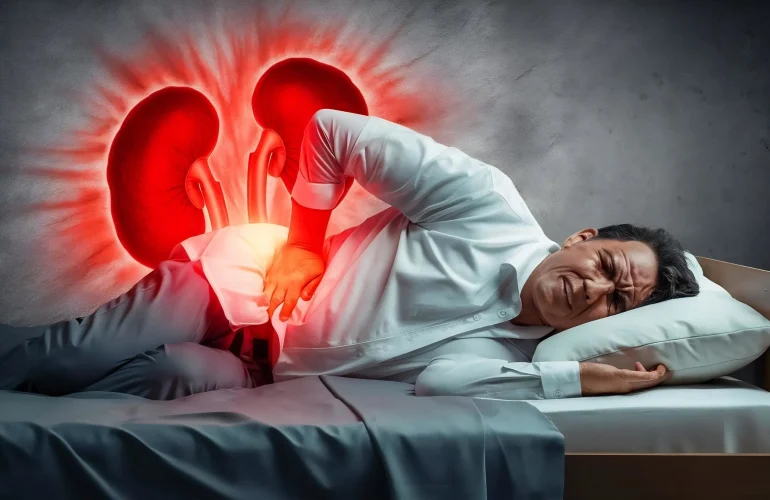
Kidney stones are one of the most common urinary tract conditions affecting women today. While both men and women can develop stones, kidney stone symptoms in women often appear differently and may even be confused with gynecological or gastrointestinal issues. Understanding these symptoms early can prevent complications, reduce pain episodes, and ensure timely medical care.
At Kolekar Hospital, we regularly treat women experiencing kidney stones, helping them with accurate diagnosis, safe removal, and preventive guidance. This detailed guide explains the causes, risk factors, and kidney stone symptoms in women, along with tests and treatment options available.
What Are Kidney Stones?
Kidney stones are hard, crystalline deposits that form inside the kidneys when minerals and salts accumulate. These stones can vary in size from tiny grains to large stones that can obstruct the urinary tract.
Types of kidney stones include:
- Calcium oxalate stones (most common)
- Uric acid stones
- Struvite stones
- Cystine stones
Understanding the type of stone helps in planning long-term preventive care.
Why Kidney Stone Symptoms in Women Can Be Different
Women may experience stones differently because:
- Their urinary tract anatomy differs from men.
- They may confuse symptoms with UTIs, menstrual cramps, pelvic pain, or ovarian issues.
- Hormonal changes can alter fluid balance and contribute to stone formation.
This makes it crucial to identify the unique kidney stone symptoms in women.
Early Kidney Stone Symptoms in Women
Early detection can prevent severe pain and complications. Here are the most common early signs:
1. Persistent Lower Back or Side Pain
Women often experience sharp or dull pain on one side of the lower back. The pain may:
- Come and go in waves
- Radiate from the back to the front
- Worsen during movement
2. Pain During Urination
A burning or stinging sensation during urination may indicate that a stone has moved into the ureter.
3. Frequent Urge to Urinate
Women might feel the need to pass urine repeatedly, even if only a small amount comes out.
4. Cloudy or Foul-Smelling Urine
Changes in urine color or smell may indicate infection, which often accompanies kidney stones in women.
Advanced Kidney Stone Symptoms in Women
As stones grow or move, symptoms become more severe.
Severe Abdominal or Pelvic Pain
Many women mistake this for menstrual cramps or ovarian pain. However, kidney stone pain:
- Is more intense
- Comes suddenly
- Shifts position as the stone moves
Blood in Urine (Hematuria)
Urine may appear pink, red, or brown. This occurs when the stone scratches the urinary tract lining.
Nausea and Vomiting
Sharp pain from kidney stones triggers nerve connections between the kidneys and the gastrointestinal system.
Fever and Chills
This is a warning sign of infection a medical emergency that requires immediate treatment.
Kidney Stone Symptoms in Women vs. Men: Key Differences
| Symptom Category | Women | Men |
| Pain location | Pelvic, lower abdomen, back | Back, groin |
| Confusion with other conditions | Menstrual cramps, UTIs, ovarian pain | Hernia, muscular pain |
| Urinary symptoms | More frequent and intense | Moderate |
| Infection risk | Higher | Lower |
Women are more likely to experience overlapping symptoms, making diagnosis more challenging.
What Causes Kidney Stones in Women?
Several factors increase the likelihood of developing stones:
1. Dehydration
Insufficient water intake concentrates minerals in the urine.
2. Diet High in Salt or Oxalates
Foods like spinach, nuts, chocolates, and processed foods increase stone-forming minerals.
3. Hormonal Changes
Pregnancy and menopause can alter mineral balance and urine flow.
4. Family History
Women with a family history of kidney stones are more prone to develop them.
5. Recurring UTIs
Infections increase the risk of struvite stones.
6. Obesity or Sedentary Lifestyle
Metabolic changes can lead to stone formation.
How Kidney Stones Are Diagnosed in Women
When women experience kidney stone symptoms, early diagnosis ensures faster recovery. At Kolekar Hospital, we use advanced imaging and laboratory tests to confirm the presence of stones.
Common diagnostic tests include:
- Ultrasound – First-line, radiation-free test for women
- CT Scan – Detects even tiny stones with high accuracy
- Urine Analysis – Checks for minerals, infections, blood
- X-ray (KUB) – For tracking stone position over time
- Blood Tests – Evaluates kidney function and mineral levels
Treatment Options for Kidney Stones in Women
Treatment depends on the size, type, and location of the stone.
1. Conservative Management (Small Stones)
Most stones under 5 mm pass naturally. Doctors recommend:
- High fluid intake
- Pain relievers
- Medication to relax ureters
2. Medical Expulsive Therapy
Certain medications help stones move out more easily.
3. Minimally Invasive Procedures
Shock Wave Lithotripsy (SWL)
Non-invasive method that uses sound waves to break the stone into small pieces.
Ureteroscopy (URS)
A thin scope is passed through the urethra and bladder to remove or break the stone.
Percutaneous Nephrolithotomy (PCNL)
Used for large or complex stones; a small incision is made in the back to remove the stone.
When Kidney Stones Become an Emergency
Seek immediate medical care if a woman experiences:
- Severe, unbearable pain
- Fever or chills
- Blood in urine
- Inability to urinate
- Sudden nausea and vomiting
These symptoms may indicate blockage or infection.
Prevention Tips for Kidney Stones in Women
Preventing kidney stones is possible with simple lifestyle changes.
Hydration
- Drink 2.5–3 liters of water daily
- Monitor urine color light yellow indicates good hydration
Dietary Management
- Reduce salt
- Limit oxalate-rich foods
Healthy Lifestyle
- Maintain a healthy weight
- Stay physically active
Regular Medical Checkups
Women with recurrent kidney stones should undergo regular follow-up to monitor kidney health.
When to Visit a Specialist
Women should consult a kidney specialist or urologist at Kolekar Hospital if they experience:
- Recurrent UTIs
- Family history of kidney stones
- Persistent abdominal or back pain
- Unexplained urinary changes
Kidney Stone Symptoms in Women – Summary Table
| Category | Symptoms |
| Early Signs | Mild back pain, frequent urination, cloudy urine, burning sensation |
| Advanced Signs | Severe abdominal pain, pelvic pain, blood in urine, nausea |
| Emergency Symptoms | Fever, chills, vomiting, severe pain, difficulty urinating |
Why Choose Kolekar Hospital for Kidney Stone Treatment?
At Kolekar Hospital, we provide:
- Advanced diagnostic tools for accurate detection
- Minimally invasive treatments with faster recovery
- Personalized care for women with complex symptoms
- Round-the-clock medical support for emergencies
- Experienced urologists specializing in kidney stone management
Our patient-centric approach ensures safety, comfort, and long-term relief.
Final Thoughts
Understanding kidney stone symptoms in women helps in early detection and timely treatment. Women often experience overlapping symptoms with UTIs, pelvic conditions, or menstrual cycles, which makes awareness even more important. If you notice any warning signs, do not ignore them. Early intervention prevents complications.
Kolekar Hospital is committed to offering specialized, minimally invasive, and advanced care for women experiencing kidney stones. If you or someone you know has symptoms, schedule a consultation for timely diagnosis and treatment.