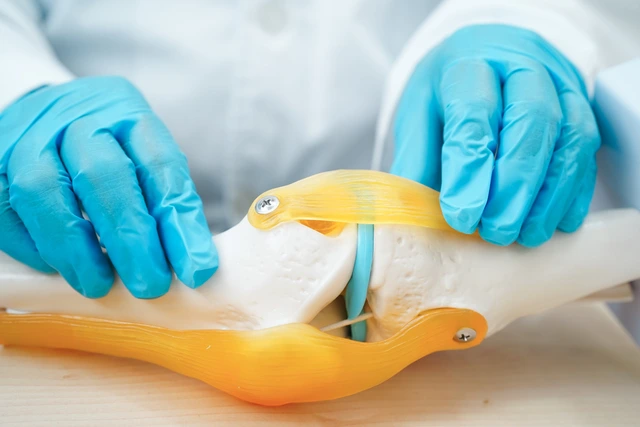
Maintaining good posture is more than just standing tall it’s essential for your spine’s long-term health. In today’s sedentary lifestyle, poor posture has become one of the leading causes of chronic back pain. Whether it’s slouching at your desk, hunching over your phone, or sitting for long hours, improper posture puts constant strain on your muscles and spinal structures.
Let’s explore in detail the link between posture and chronic back pain, its causes, effects, and how to correct it for lasting relief.
What Is Posture?
Posture refers to how you hold your body when standing, sitting, or lying down. Proper posture keeps bones and joints in alignment so muscles are used correctly, reducing stress and wear on the spine.
There are two main types of posture:
- Static posture: How you hold your body while still (sitting, standing, or sleeping).
- Dynamic posture: How you position yourself while moving (walking, running, or lifting objects).
Both types are equally important for maintaining spinal balance and preventing pain.
How Poor Posture Leads to Chronic Back Pain
When your posture is poor, certain muscles and ligaments are overstretched while others become tight and weak. Over time, this imbalance causes chronic strain, inflammation, and pain.
1. Increased Pressure on the Spine
Poor posture, like slouching or leaning forward, shifts your spine out of its natural “S” curve. This causes uneven pressure on spinal discs, increasing the risk of disc herniation and degenerative changes.
2. Muscle Imbalance and Fatigue
When you slouch, some muscles (like the neck and back extensors) must work harder to hold your body upright. Continuous overuse leads to muscle fatigue, stiffness, and chronic pain.
3. Nerve Compression
Poor alignment can compress spinal nerves, leading to symptoms such as:
- Tingling or numbness
- Shooting pain down the legs (sciatica)
- Weakness in the lower limbs
4. Reduced Circulation and Flexibility
Sitting or standing incorrectly for long hours decreases blood flow to muscles, reducing flexibility and oxygen supply worsening chronic back discomfort.
Common Postural Mistakes That Cause Back Pain
| Posture Type | Description | Effect on Back |
| Slouching while sitting | Rounded shoulders and curved spine | Stretches ligaments and weakens core muscles |
| Forward head posture | Neck and head extend in front of shoulders | Causes neck and upper back strain |
| Swayback posture | Hips pushed forward, chest leans back | Increases pressure on lower spine |
| Flat back | Loss of natural spinal curve | Leads to stiffness and muscle fatigue |
| Uneven weight bearing | Standing more on one leg | Causes hip and lower back imbalance |
Symptoms of Posture-Related Chronic Back Pain
You might not realize poor posture is the cause of your pain until symptoms become persistent. Watch for:
- Dull, aching pain in the lower or upper back
- Muscle stiffness or tightness
- Pain that worsens after sitting or standing too long
- Headaches caused by neck tension
- Reduced mobility or difficulty bending
If these symptoms persist for weeks or months, it could indicate chronic back pain due to poor posture.
The Science Behind Posture and Spinal Health
Your spine has natural curves cervical (neck), thoracic (mid-back), and lumbar (lower back) that help distribute body weight evenly. Poor posture disturbs these natural curves, placing stress on the intervertebral discs and ligaments.
Over time, this leads to:
- Degenerative disc disease
- Spinal misalignment
- Chronic muscular tension
- Inflammation of joints and tissues
In many cases, improving posture can reverse mild spinal misalignment and significantly reduce pain intensity.
How to Improve Posture and Relieve Back Pain
Correcting posture takes conscious effort, lifestyle adjustments, and sometimes medical guidance. Here are some effective strategies:
1. Ergonomic Workspace Setup
- Keep your computer screen at eye level.
- Sit with your feet flat on the floor and knees at hip level.
- Use a chair with lumbar support.
- Take breaks every 30–40 minutes to stretch.
2. Strengthen Core Muscles
A strong core supports your spine and prevents slouching. Include exercises like:
- Planks
- Bridges
- Pelvic tilts
- Back extensions
3. Mindful Posture Awareness
- Keep your shoulders relaxed and aligned with your hips.
- Avoid crossing your legs for long periods.
- Stand evenly on both feet.
- Use reminders or posture-correcting devices if necessary.
4. Stretch Regularly
Tight muscles often lead to bad posture. Focus on stretching:
- Hamstrings
- Hip flexors
- Chest and shoulder muscles
5. Limit Screen Time
Constantly bending your neck to look at phones or laptops leads to “tech neck,” a common cause of upper back pain. Keep screens at eye level and maintain a neutral spine.
Posture Correction Therapies
Sometimes, lifestyle changes alone aren’t enough. Depending on the severity of your condition, your doctor may recommend:
1. Physical Therapy
A physical therapist can teach specific exercises to strengthen weak muscles, correct alignment, and relieve tension.
2. Chiropractic Care
Chiropractic adjustments help realign the spine, restore mobility, and relieve nerve compression caused by poor posture.
3. Orthopedic Consultation
For persistent or severe cases, an orthopedic specialist can evaluate for underlying spinal problems and recommend appropriate treatment such as medication or minimally invasive therapy.
4. Pain Management Techniques
Options may include:
- Heat or cold therapy
- Muscle relaxants
- Postural braces or supports
- Trigger point injections (in chronic cases)
Preventive Tips for a Healthy Spine
Preventing chronic back pain starts with daily habits. Follow these posture-friendly practices:
- Sleep on a supportive mattress that maintains spinal alignment.
- Avoid high heels for long durations, as they tilt the pelvis forward.
- Lift objects properly by bending your knees, not your back.
- Maintain a healthy weight to reduce strain on the lower spine.
- Stay active regular walking, yoga, or swimming helps maintain flexibility and posture.
When to See a Doctor
Consult a specialist if:
- Pain lasts longer than a few weeks.
- You experience numbness, weakness, or radiating pain down the legs.
- You notice changes in posture, like an increased hunch or tilt.
- Over-the-counter remedies and exercises don’t relieve pain.
Early diagnosis and treatment can prevent chronic pain from worsening and improve your quality of life.
The Role of Lifestyle in Maintaining Good Posture
Modern lifestyles contribute significantly to poor posture, long working hours, lack of physical activity, and stress all play a part. Here’s how to make posture correction part of your routine:
| Activity | Common Mistake | Correction Tip |
| Working at a desk | Leaning forward | Sit upright, shoulders relaxed, monitor at eye level |
| Driving | Reclined seat position | Keep seat upright and adjust mirrors to avoid slouching |
| Using smartphones | Looking down constantly | Hold the phone at eye level |
| Watching TV | Slumping on the couch | Sit with back supported and feet on the floor |
Consistency is key small changes in daily posture can significantly reduce back pain over time.
Long-Term Benefits of Good Posture
Practicing proper posture not only relieves back pain but also offers numerous long-term health benefits:
- Improved muscle strength and balance
- Better breathing and circulation
- Enhanced confidence and body image
- Reduced fatigue and tension
- Lower risk of future spinal problems
Maintaining the correct posture ensures your spine functions efficiently, keeping you active and pain-free for years to come.
Conclusion
The link between posture and chronic back pain is undeniable. Poor posture places undue stress on your spine, muscles, and ligaments, leading to persistent discomfort and reduced quality of life. However, by adopting correct posture habits, strengthening your core, and seeking professional help when necessary, you can prevent and even reverse posture-related back pain.
At Kolekar Hospital, our team of orthopedic specialists and physiotherapists provide personalized assessment and treatment for patients suffering from chronic back pain. Through advanced therapies and guided rehabilitation, we help you restore mobility, correct posture, and achieve lasting relief.