
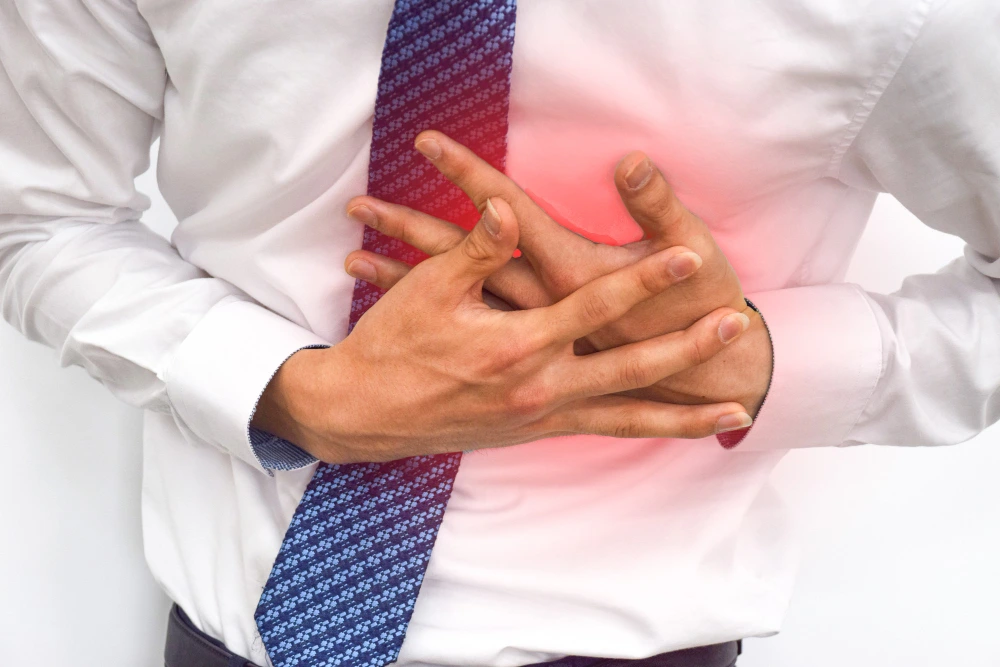
The liver is one of the most vital organs in the human body, responsible for detoxification, metabolism, and production of essential proteins and enzymes. Despite its critical functions, liver damage often goes unnoticed until it reaches an advanced stage. Recognizing the early warning signs is crucial for timely intervention. This article will explore 7 signs your liver is dying, helping you understand when to seek medical attention.
Understanding Liver Function and Its Importance
The liver performs over 500 essential functions, including:
- Detoxification: Removes toxins, drugs, and alcohol from the bloodstream.
- Metabolism: Processes fats, proteins, and carbohydrates for energy production.
- Bile Production: Aids in digestion and absorption of fats.
- Storage: Stores essential vitamins and minerals such as A, D, E, K, and B12.
- Blood Clotting Regulation: Produces proteins necessary for clotting.
Given its central role, liver failure can have severe consequences on overall health. Early recognition of liver problems can save lives.
7 Signs Your Liver is Dying
Below are the most common signs indicating severe liver damage:
1. Jaundice (Yellowing of Skin and Eyes)
Jaundice occurs when bilirubin, a yellow pigment produced during red blood cell breakdown, accumulates in the blood due to liver dysfunction.
Symptoms include:
- Yellowing of skin and eyes
- Dark urine
- Pale-colored stools
Why it happens: The liver fails to process bilirubin efficiently, leading to its buildup.
If you notice persistent jaundice, it is a strong indication of liver disease and warrants immediate medical evaluation.
2. Abdominal Pain and Swelling
Liver disease often causes discomfort in the upper right abdomen. Swelling may occur due to ascites, which is the accumulation of fluid in the abdominal cavity.
Other symptoms include:
- Bloating
- Tenderness in the liver area
- Feeling of fullness after small meals
Causes: Liver inflammation or cirrhosis can lead to fluid buildup and organ enlargement.
3. Chronic Fatigue and Weakness
One of the earliest signs of liver dysfunction is persistent fatigue. The liver’s inability to metabolize nutrients efficiently results in low energy levels.
Signs to watch for:
- Extreme tiredness despite adequate sleep
- Weakness in muscles
- Reduced stamina for daily activities
Fatigue can also result from anemia caused by liver dysfunction, further contributing to weakness.
4. Nausea and Loss of Appetite
A failing liver impacts digestion and metabolism, leading to gastrointestinal issues.
Symptoms include:
- Persistent nausea
- Vomiting
- Loss of appetite
- Unintentional weight loss
Tip: If nausea persists for more than a few weeks and is accompanied by other liver symptoms, consult a liver specialist immediately.
5. Easy Bruising and Bleeding
The liver produces clotting factors that are essential for stopping bleeding. A dying liver may lead to reduced clotting ability, causing:
- Easy bruising
- Nosebleeds
- Bleeding gums
This is a sign of severe liver damage and can be life-threatening if left untreated.
6. Swelling in Legs and Ankles (Edema)
Fluid retention in the lower extremities is another warning sign of liver dysfunction.
Causes:
- Reduced production of albumin, a protein that regulates blood volume
- Portal hypertension, a condition where blood pressure in the liver increases due to scarring
Symptoms to monitor:
- Swollen ankles, feet, and legs
- Pitting edema (when pressing the skin leaves a dent)
7. Mental Confusion and Cognitive Issues
Advanced liver disease can lead to hepatic encephalopathy, where toxins accumulate in the brain.
Symptoms include:
- Confusion
- Memory lapses
- Mood changes
- Difficulty concentrating
Why it happens: Ammonia and other toxins build up in the blood due to reduced liver detoxification, affecting brain function.
Quick Reference for 7 Signs Your Liver is Dying
| Sign | Symptoms | Cause | Urgency |
| Jaundice | Yellow skin/eyes, dark urine | Bilirubin buildup | High |
| Abdominal pain & swelling | Bloating, tenderness, fullness | Ascites, liver inflammation | High |
| Chronic fatigue | Persistent tiredness, muscle weakness | Poor nutrient metabolism | Medium |
| Nausea & loss of appetite | Vomiting, weight loss | Digestive dysfunction | Medium |
| Easy bruising & bleeding | Nosebleeds, bleeding gums | Low clotting factor production | High |
| Swelling in legs & ankles | Edema, pitting | Low albumin, portal hypertension | Medium |
| Mental confusion | Memory lapses, mood changes | Toxin accumulation | High |
Causes of Liver Failure
Understanding what causes liver damage can help in prevention. Common causes include:
- Chronic alcohol consumption
- Viral hepatitis (B and C)
- Fatty liver disease (NAFLD/NASH)
- Autoimmune liver diseases
- Genetic liver disorders
- Medications or toxins
Early detection and treatment are essential to prevent irreversible damage.
When to See a Doctor
If you notice one or more of these signs, seek medical attention immediately. Liver damage is often silent in the early stages, but early intervention can significantly improve outcomes.
Doctors may perform:
- Blood tests (LFTs, bilirubin, albumin)
- Ultrasound or CT scan
- Liver biopsy for confirmation
Prevention Tips for a Healthy Liver
Taking proactive steps can protect your liver:
- Limit alcohol consumption
- Maintain a balanced diet rich in fruits, vegetables, and whole grains
- Exercise regularly to prevent obesity and fatty liver
- Avoid unnecessary medications and toxins
- Get vaccinated against hepatitis A and B
- Regularly monitor liver function if at risk
Conclusion
Recognizing the 7 signs your liver is dying is crucial for early intervention and treatment. Persistent symptoms like jaundice, fatigue, abdominal swelling, or cognitive changes should never be ignored. Early medical consultation can prevent complications and improve liver health.
At Kolekar Hospital, we provide expert liver care with state-of-the-art diagnostics and treatment. If you or a loved one experiences any warning signs, consult our specialists immediately for comprehensive evaluation and management.

