Cardiology

What Causes Chest Pain in a Woman? Understanding the Risks, Symptoms, and Treatment Options

Chest pain is a common symptom that many individuals experience at some point in their lives. While most people associate chest pain with heart-related issues, the causes can vary significantly, especially for women. It’s crucial to understand the range of potential causes to help differentiate between benign conditions and those that may require immediate medical attention. In this blog, we’ll explore the various causes of chest pain in women, discuss risk factors, highlight when to seek medical help, and cover treatment options.

Understanding Chest Pain in Women

What Is Chest Pain?

Chest pain refers to any discomfort or pain that occurs in the area between your neck and upper abdomen. It can range from mild discomfort to sharp, stabbing pains, or even a sensation of heaviness or tightness. The pain may occur suddenly, or it may build over time.

For women, chest pain can be a warning sign of something serious, such as a heart attack, or it may be linked to other conditions like stress, digestive issues, or musculoskeletal problems. It is essential to evaluate the nature of the pain and accompanying symptoms to determine the cause.

Common Causes of Chest Pain in Women

1. Cardiovascular Issues

Cardiovascular problems are among the leading causes of chest pain in both men and women, though women are more likely to experience atypical symptoms. Understanding these conditions is vital for early detection and treatment.

A. Angina (Chest Pain from Heart Disease)

Angina occurs when the heart doesn’t get enough oxygen-rich blood due to narrowing or blockages in the coronary arteries. In women, angina might feel different from the typical “crushing” chest pain experienced by men.

  • Symptoms: Pressure, tightness, or squeezing in the chest, radiating pain to the arms, neck, jaw, or back.
  • Risk Factors: Family history of heart disease, smoking, high blood pressure, high cholesterol, obesity, and lack of physical activity.
  • When to Seek Medical Help: If chest pain occurs with shortness of breath, sweating, or dizziness.

B. Myocardial Infarction (Heart Attack)

A heart attack occurs when one of the heart’s arteries becomes completely blocked, preventing blood flow to the heart muscle.

  • Symptoms: Crushing chest pain, shortness of breath, nausea, pain radiating to the left arm or jaw, dizziness, and fatigue. Women may experience more subtle symptoms like indigestion, upper back pain, or nausea.
  • Risk Factors: High blood pressure, high cholesterol, smoking, diabetes, and family history of heart disease.

C. Pericarditis (Inflammation of the Heart Lining)

Pericarditis occurs when the lining around the heart becomes inflamed, often due to viral infections or autoimmune diseases. This can cause sharp, stabbing chest pain.

  • Symptoms: Sharp, pleuritic pain (worsens with deep breathing), fever, and difficulty swallowing.
  • Risk Factors: Recent viral infections, autoimmune diseases, or chest trauma.

2. Gastrointestinal Causes

Digestive issues can also contribute to chest pain in women. The gastrointestinal system is highly sensitive, and pain from acid reflux, gas, or other digestive problems can mimic heart-related pain.

A. Gastroesophageal Reflux Disease (GERD)

GERD occurs when stomach acid or bile irritates the food pipe. This often causes a burning sensation in the chest (heartburn).

  • Symptoms: Burning sensation in the chest, regurgitation of acid, difficulty swallowing, and sore throat.
  • Risk Factors: Obesity, smoking, alcohol consumption, pregnancy, and certain medications.
  • When to Seek Medical Help: If chest pain is accompanied by difficulty swallowing, weight loss, or vomiting blood.

B. Esophageal Spasms

Esophageal spasms occur when the muscles of the esophagus contract abnormally, causing pain that can resemble a heart attack.

  • Symptoms: Sudden, severe chest pain, difficulty swallowing, and regurgitation.
  • Risk Factors: Stress, smoking, and acid reflux disease.

C. Hiatal Hernia

A hiatal hernia happens when part of the stomach pushes up through the diaphragm into the chest cavity, leading to discomfort and pain.

  • Symptoms: Chest pain, heartburn, regurgitation, and difficulty swallowing.
  • Risk Factors: Obesity, age, and pregnancy.

3. Musculoskeletal and Costochondral Issues

Chest pain that is musculoskeletal in nature is often associated with injuries or inflammation in the muscles, ribs, or cartilage of the chest.

A. Costochondritis

Costochondritis is an inflammation of the cartilage connecting the ribs to the breastbone, leading to localized chest pain.

  • Symptoms: Sharp, stabbing pain in the chest, typically on the left side, which worsens with movement or deep breathing.
  • Risk Factors: Trauma or repetitive physical activity, viral infections.

B. Muscle Strain

Overexertion or an injury to the chest muscles can cause pain that mimics heart-related chest pain.

  • Symptoms: Pain that is localized to a specific area of the chest and worsens with movement or palpation.
  • Risk Factors: Heavy lifting, intense physical activity, or improper posture.

4. Psychological and Stress-Related Causes

Psychological stress and anxiety can manifest as physical symptoms, including chest pain. This is particularly common in women, who may experience emotional stress that translates into physical discomfort.

A. Panic Attacks

Panic attacks are intense episodes of fear or anxiety that can result in chest pain, shortness of breath, dizziness, and a racing heart.

  • Symptoms: Sudden chest pain, rapid heart rate, sweating, trembling, shortness of breath, and a feeling of impending doom.
  • Risk Factors: High levels of stress, anxiety disorders, and a history of panic attacks.
  • When to Seek Medical Help: If the symptoms are frequent or severe, or if chest pain persists despite reassurance.

5. Pulmonary Conditions

Pulmonary conditions that affect the lungs or pleura (the lining of the lungs) can lead to chest pain.

A. Pulmonary Embolism

A pulmonary embolism occurs when a blood clot travels to the lungs, blocking a pulmonary artery.

  • Symptoms: Sudden sharp chest pain, difficulty breathing, rapid heart rate, cough with blood.
  • Risk Factors: Blood clotting disorders, prolonged immobility, recent surgery, or pregnancy.

B. Pneumothorax (Collapsed Lung)

A pneumothorax occurs when air leaks into the space between the lung and chest wall, leading to sharp chest pain and difficulty breathing.

  • Symptoms: Sudden sharp chest pain, difficulty breathing, rapid heart rate.
  • Risk Factors: Previous lung disease, trauma to the chest, or smoking.

How to Differentiate Between Serious and Benign Chest Pain

While many causes of chest pain are benign, some can be life-threatening. Understanding the key characteristics can help you differentiate between them.

CausePain DescriptionAssociated SymptomsWhen to Seek Medical Help
Heart AttackCrushing or tight pain in chestShortness of breath, nausea, arm or jaw painImmediately; Call emergency services
AnginaPressure or tightness in chestSweating, dizziness, pain radiating to armsIf pain lasts more than 5 minutes
GERDBurning sensation in chestRegurgitation, sore throat, difficulty swallowingIf pain is frequent or severe
Muscle StrainLocalized sharp pain in chestWorsens with movement or palpationIf pain persists or worsens
Panic AttackTight or stabbing pain in chestShortness of breath, dizziness, racing heartIf recurrent or debilitating

When to See a Doctor

If you experience chest pain that is severe, sudden, or persistent, it is essential to seek medical attention immediately. Especially if the pain is accompanied by:

  • Difficulty breathing
  • Lightheadedness or dizziness
  • Pain radiating to the left arm, neck, or jaw
  • Nausea, vomiting, or cold sweats

Even if the pain seems mild, it is better to err on the side of caution. Early detection of conditions such as heart disease, lung disorders, or gastrointestinal issues can significantly improve treatment outcomes.

Conclusion: Stay Informed and Take Action

Chest pain in women can have a variety of causes, from cardiovascular issues to gastrointestinal problems or stress-related conditions. Understanding the symptoms, risk factors, and when to seek help is crucial in managing chest pain effectively. If you are experiencing chest pain, don’t hesitate to consult with a healthcare professional to determine the underlying cause and receive appropriate care.

At Kolekar Hospital, we are committed to providing personalized care and guidance for all your health concerns. If you’re experiencing chest pain or any other symptoms, our expert team is here to help. Book an appointment today for a thorough evaluation and peace of mind.

Loading

Urology

Can Kidney Stones Cause Frequent Urination?

Yes, kidney stones can cause frequent urination, especially when they move into the lower part of the urinary tract. The irritation and blockage caused by these stones can lead to symptoms such as an increased urge to urinate, pain during urination, and a feeling of incomplete bladder emptying.

In this comprehensive guide by Kolekar Hospital, we’ll explain why kidney stones cause frequent urination, how to identify related symptoms, and when to seek medical help.

Understanding Kidney Stones

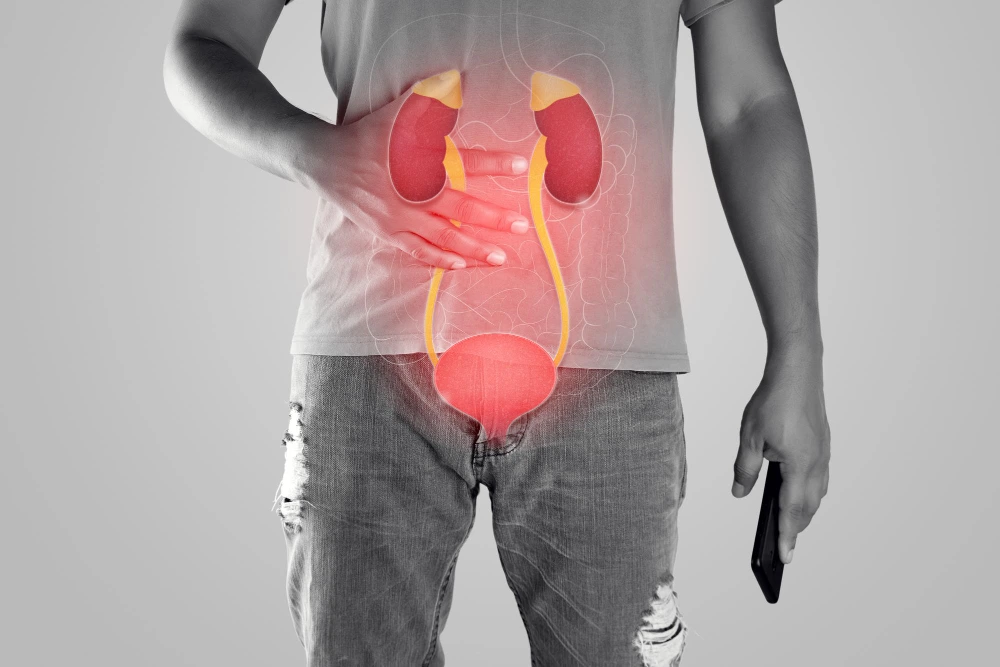
Kidney stones (renal calculi) are hard deposits formed when minerals and salts crystallize inside the kidneys. These stones vary in size  from tiny grains to larger stones that can block the urinary tract.

Common types of kidney stones include:

  • Calcium stones – Most common type, often made of calcium oxalate.
  • Uric acid stones – Linked to dehydration or high protein diets.
  • Struvite stones – Often associated with urinary tract infections.
  • Cystine stones – Result from a rare genetic disorder that causes cystine buildup in urine.

When kidney stones start to move from the kidneys to the ureters (the tubes connecting kidneys and bladder), they can cause severe pain and urinary symptoms such as frequent urination.

How Do Kidney Stones Cause Frequent Urination?

Frequent urination occurs when kidney stones irritate or obstruct parts of the urinary tract. Here’s how this happens:

1. Irritation of the Bladder or Ureter

As stones move down the urinary tract, they can scrape or irritate the lining of the bladder and ureters, causing:

  • Inflammation
  • Urge to urinate frequently
  • Burning sensation during urination

2. Partial Blockage of Urine Flow

A small stone can partially block the ureter, leading to pressure buildup in the bladder and kidneys. This pressure can make patients feel the need to urinate more often, even if little urine comes out.

3. Urinary Tract Infection (UTI)

Kidney stones can increase the risk of urinary tract infections. When bacteria grow around a stone, they can cause:

  • Frequent urination
  • Urgency
  • Burning sensation
  • Cloudy or foul-smelling urine

4. Bladder Stone Formation

If kidney stones travel into the bladder, they may grow into bladder stones, which also trigger frequent urination, discomfort, and lower abdominal pain.

Common Symptoms Along with Frequent Urination

If your frequent urination is due to kidney stones, you may also notice the following symptoms:

  • Sharp or cramping pain in the back, side, or lower abdomen
  • Pain that radiates to the groin
  • Burning sensation during urination
  • Blood in the urine (pink, red, or brown color)
  • Nausea and vomiting
  • Difficulty passing urine or passing small amounts
  • Cloudy or foul-smelling urine
  • Fever or chills (if infection is present)

These symptoms can vary depending on the size and location of the stone in the urinary tract.

When to See a Doctor

You should seek immediate medical attention at Kolekar Hospital if you experience:

  • Severe, persistent pain in the side or back
  • Fever or chills with urinary symptoms
  • Blood in the urine
  • Difficulty passing urine
  • Nausea or vomiting with dehydration

Delaying treatment can lead to urinary obstruction or kidney infection, which may result in kidney damage if left untreated.

How Kidney Stones Are Diagnosed

At Kolekar Hospital, urologists use advanced imaging and lab tests to accurately diagnose kidney stones and related urinary problems.

Common diagnostic tests include:

  • Urinalysis: Checks for blood, crystals, or infection.
  • Blood tests: Detects high levels of calcium or uric acid.
  • Ultrasound: A non-invasive test to locate stones.
  • CT scan (Non-contrast Helical CT): The most accurate imaging method to detect stones.
  • X-ray (KUB): Helps track stone movement or size changes.

Timely diagnosis is key to determining whether frequent urination is due to kidney stones or another urinary condition.

Treatment Options for Kidney Stones and Urinary Symptoms

Treatment depends on the stone size, location, and symptoms. At Kolekar Hospital, both non-surgical and minimally invasive options are available.

1. Medication and Conservative Treatment

For small stones (usually less than 5 mm):

  • Increased water intake: Helps flush out the stone naturally.
  • Pain relievers: To manage discomfort.
  • Alpha-blockers: Such as tamsulosin, help relax the ureter muscles to ease stone passage.
  • Antibiotics: If infection is present.

2. Minimally Invasive Procedures

For larger or persistent stones:

  • Shock Wave Lithotripsy (SWL): Uses sound waves to break stones into small fragments.
  • Ureteroscopy: A thin scope is passed into the ureter to remove or break the stone.
  • Percutaneous Nephrolithotomy (PCNL): A small incision in the back allows direct removal of large stones.
  • Laser Lithotripsy: A laser fiber breaks stones into tiny pieces that pass naturally.

3. Surgical Treatment

In rare cases where stones are too large or complications occur, surgery may be needed to restore normal urine flow and protect kidney function.

Preventing Frequent Urination Due to Kidney Stones

Prevention focuses on reducing the risk of new stones forming and maintaining urinary tract health.

1. Stay Hydrated

Drink at least 2.5 to 3 liters of water daily to dilute minerals and prevent crystal formation.

2. Modify Diet

  • Limit sodium and animal protein intake.
  • Avoid foods high in oxalates (spinach, nuts, tea, chocolate).
  • Include citrus fruits like lemon and orange to increase urinary citrate, which prevents stone formation.

3. Maintain a Healthy Weight

Obesity increases the risk of kidney stones and urinary issues.

4. Manage Underlying Conditions

Control conditions like:

  • High blood pressure
  • Diabetes
  • Gout
  • Recurrent UTIs

5. Regular Follow-Ups

Regular check-ups at Kolekar Hospital ensure early detection and management of recurring stones.

Differentiating Frequent Urination Caused by Kidney Stones vs Other Causes

CauseSymptomsAssociated Conditions
Kidney StonesPain, burning sensation, blood in urine, back painUreter blockage, kidney inflammation
UTIBurning, urgency, cloudy urineBacterial infection
Overactive BladderSudden urge to urinate, leakageNerve or muscle dysfunction
DiabetesExcess urination, thirst, fatigueHigh blood sugar
Prostate Enlargement (Men)Frequent urination, weak flowBenign prostatic hyperplasia

If you experience frequent urination without pain, other causes like infection, bladder disorders, or diabetes should also be evaluated.

Complications If Left Untreated

Ignoring kidney stones can cause:

  • Recurrent infections
  • Kidney swelling (hydronephrosis)
  • Chronic kidney disease
  • Sepsis (if infection spreads)
  • Bladder dysfunction

Therefore, any case of frequent urination with back or side pain should be medically investigated promptly.

Why Choose Kolekar Hospital for Kidney Stone Treatment

At Kolekar Hospital, our expert urologists specialize in diagnosing and treating kidney stones using the most advanced technology.

Our Expertise Includes:

  • Comprehensive evaluation for urinary symptoms and stone analysis
  • Minimally invasive procedures with quick recovery time
  • 24/7 emergency care for acute kidney stone pain
  • Personalized prevention plans to reduce recurrence
  • Advanced imaging and diagnostics for accurate treatment

Our patient centered approach ensures that each individual receives the best possible care with compassion and precision.

FAQs on Kidney Stones and Frequent Urination

1. Can small kidney stones cause frequent urination?
Yes. Even a small stone near the bladder can irritate the urinary tract and cause frequent urination or a constant urge to urinate.

2. Is frequent urination the first sign of kidney stones?
Not always. Early symptoms usually include back or flank pain. However, frequent urination can occur if the stone moves closer to the bladder.

3. Can kidney stones cause urinary tract infections?
Yes. Stones can trap bacteria in the urinary tract, leading to repeated infections and urinary frequency.

4. How long does frequent urination last after passing a stone?
The symptom usually subsides within a few days after the stone passes, but persistent issues should be checked by a urologist.

5. Can dehydration cause both kidney stones and frequent urination?
Yes. Dehydration increases stone risk due to concentrated urine, but once stones irritate the bladder, they can cause frequent urination despite low water intake.

Conclusion

Can kidney stones cause frequent urination?
Yes, they can  especially when they move into the lower urinary tract and irritate the bladder or ureter.

Frequent urination accompanied by pain, burning, or blood in the urine should never be ignored. Early diagnosis and treatment at Kolekar Hospital can prevent complications, relieve symptoms, and protect long term kidney health.

If you’re experiencing persistent urinary issues or suspect kidney stones, consult our expert urologists today for a comprehensive evaluation and personalized treatment plan.

Loading

Knee

Top 5 Mistakes After Knee Replacement: Avoid These Common Pitfalls for a Successful Recovery

Introduction

Knee replacement surgery is a significant medical procedure that can greatly improve your quality of life, especially if you’re struggling with chronic knee pain. However, successful recovery after knee replacement requires more than just the surgery itself. Post-surgery mistakes can lead to complications, delayed healing, or even the need for additional procedures. Understanding and avoiding the top 5 mistakes after knee replacement will help ensure a smoother recovery and a return to your regular activities.

In this blog post, we’ll take an in-depth look at the five most common post-knee replacement mistakes, their potential consequences, and practical advice on how to avoid them.

The Top 5 Mistakes After Knee Replacement You Should Avoid

Knee replacement surgery can be life-changing, but recovery is a process that requires patience, care, and diligence. Even after a successful operation, mistakes in your recovery plan can hinder the healing process. The following are the top 5 mistakes to avoid after knee replacement surgery.

Mistake #1: Not Following Post-Op Rehabilitation Guidelines

Why it’s a mistake:
Rehabilitation (rehab) is essential to a successful recovery. Post-surgery exercises are designed to help restore knee strength, range of motion, and flexibility. Skipping or neglecting rehab exercises can result in stiffness, weakness, and delayed recovery.

Common consequences:

  • Loss of knee mobility
  • Muscle atrophy
  • Increased risk of blood clots
  • Slower recovery timeline

How to avoid it:

  • Follow your surgeon’s rehab plan: Your surgeon will provide a personalized rehabilitation schedule that includes exercises to regain strength and flexibility. Stick to this plan and attend all physical therapy sessions.
  • Start with gentle exercises: Avoid overexerting yourself in the early stages of recovery. Gentle exercises such as ankle pumps and knee extensions can help improve blood flow and range of motion without putting excessive strain on the knee.
  • Track your progress: Keep a log of your exercises, pain levels, and improvements. This can help you and your physical therapist adjust your rehab plan as needed.

Mistake #2: Ignoring Pain and Overexerting Yourself

Why it’s a mistake:
After knee replacement, it’s normal to experience some pain and discomfort during the early stages of recovery. However, ignoring pain and pushing yourself too hard can cause inflammation, further damage, and delay your healing process.

Common consequences:

  • Swelling and inflammation
  • Prolonged pain or discomfort
  • Increased risk of injury
  • Prolonged recovery time

How to avoid it:

  • Listen to your body: If you’re feeling pain beyond normal recovery discomfort, stop the activity and rest. Pain is your body’s way of signaling that something is wrong.
  • Take prescribed pain medications as directed: Use pain management strategies such as ice packs, elevation, and medications as prescribed by your doctor to help manage discomfort.
  • Gradually increase activity: Start with low-impact activities, like walking or stationary cycling, and gradually increase intensity as you heal.

Mistake #3: Neglecting Weight Management and Nutrition

Why it’s a mistake:
Maintaining a healthy weight is crucial after knee replacement surgery. Excess weight puts additional strain on your new knee joint, which can lead to complications, prolonged healing, or even damage to the implant.

Common consequences:

  • Increased wear and tear on the knee joint
  • Higher risk of infection
  • Slower healing due to nutritional deficiencies
  • Higher risk of knee complications in the long term

How to avoid it:

  • Follow a balanced diet: Eat a nutrient-rich diet that supports healing, including plenty of protein, vitamins (especially vitamin C and D), and minerals like calcium. Your doctor or nutritionist can help tailor a diet that best supports your recovery.
  • Manage your weight: If you’re overweight, aim for gradual weight loss by focusing on healthy eating and low-impact exercises. This will reduce pressure on your new knee joint.
  • Stay hydrated: Drinking enough water is vital for overall health and can help reduce inflammation and promote tissue healing.

Nutritional Tips for a Smooth Recovery:

NutrientImportance for RecoveryFood Sources
ProteinEssential for muscle repairChicken, fish, tofu, beans, eggs
Vitamin CHelps in tissue repair and immunityCitrus fruits, strawberries, bell peppers
Vitamin DSupports bone health and immune functionSunlight, fortified dairy, fatty fish
CalciumAids in bone strengthMilk, yogurt, leafy greens, almonds

Mistake #4: Not Protecting the Knee from Injury

Why it’s a mistake:
Your new knee joint is a medical implant, and it’s important to protect it during the recovery phase. Not taking the necessary precautions can lead to joint dislocation, infection, or implant loosening.

Common consequences:

  • Implant failure
  • Joint dislocation or damage
  • Infection due to improper care

How to avoid it:

  • Avoid high-impact activities: Activities such as running, jumping, or heavy lifting can put unnecessary stress on your new knee. Stick to low-impact exercises like swimming, walking, or cycling.
  • Use assistive devices as directed: Use crutches, walkers, or canes as needed, particularly during the early stages of recovery when your knee is still weak.
  • Be cautious with household tasks: When performing tasks around the house, be mindful of slipping, tripping, or falling. Install grab bars in the bathroom and ensure that your home is free from obstacles.

Mistake #5: Failing to Monitor for Complications

Why it’s a mistake:
Post-surgery complications can arise, even after a successful procedure. Failing to recognize warning signs can lead to more serious health problems, such as infections, blood clots, or joint instability.

Common complications to watch for:

  • Signs of infection (fever, redness, swelling around the incision)
  • Sudden, severe pain or swelling
  • Difficulty moving the knee
  • Shortness of breath, chest pain, or leg swelling (indicating a possible blood clot)

How to avoid it:

  • Stay vigilant for complications: Regularly monitor the surgical site for any signs of infection, such as unusual redness, warmth, or drainage. Contact your doctor immediately if any symptoms appear.
  • Follow up with your doctor: Regular follow-up appointments with your surgeon are crucial to monitor your healing process and catch any potential issues early.
  • Know the signs of blood clots: Blood clots are a serious risk after knee replacement surgery. Make sure to perform ankle pumps, elevate your leg, and avoid prolonged periods of immobility to reduce the risk.

Recognizing Red Flags:

SymptomPotential IssueAction to Take
Redness, warmth, or pus around incisionInfectionContact your doctor immediately
Severe pain or swelling in the legBlood clot or other complicationsSeek medical attention ASAP
Shortness of breath, chest painPulmonary embolism or blood clotSeek emergency medical care

Conclusion: Achieving a Successful Recovery After Knee Replacement

Recovery after knee replacement surgery is a journey that requires dedication and attention to detail. By avoiding these top 5 mistakes, you can significantly improve your chances of a smooth and successful recovery. Always remember that communication with your healthcare team is key to addressing any concerns that arise during your recovery.

By following your rehabilitation plan, managing your weight, protecting your knee, and keeping an eye out for complications, you’ll be well on your way to regaining strength and mobility. Be patient, stay positive, and give your body the time it needs to heal.

For more personalized advice, reach out to the team at Kolekar Hospital. We’re here to support you through every step of your recovery!

Loading